UTTAR PRADESH · INDIA

Lucknow

लखनऊ

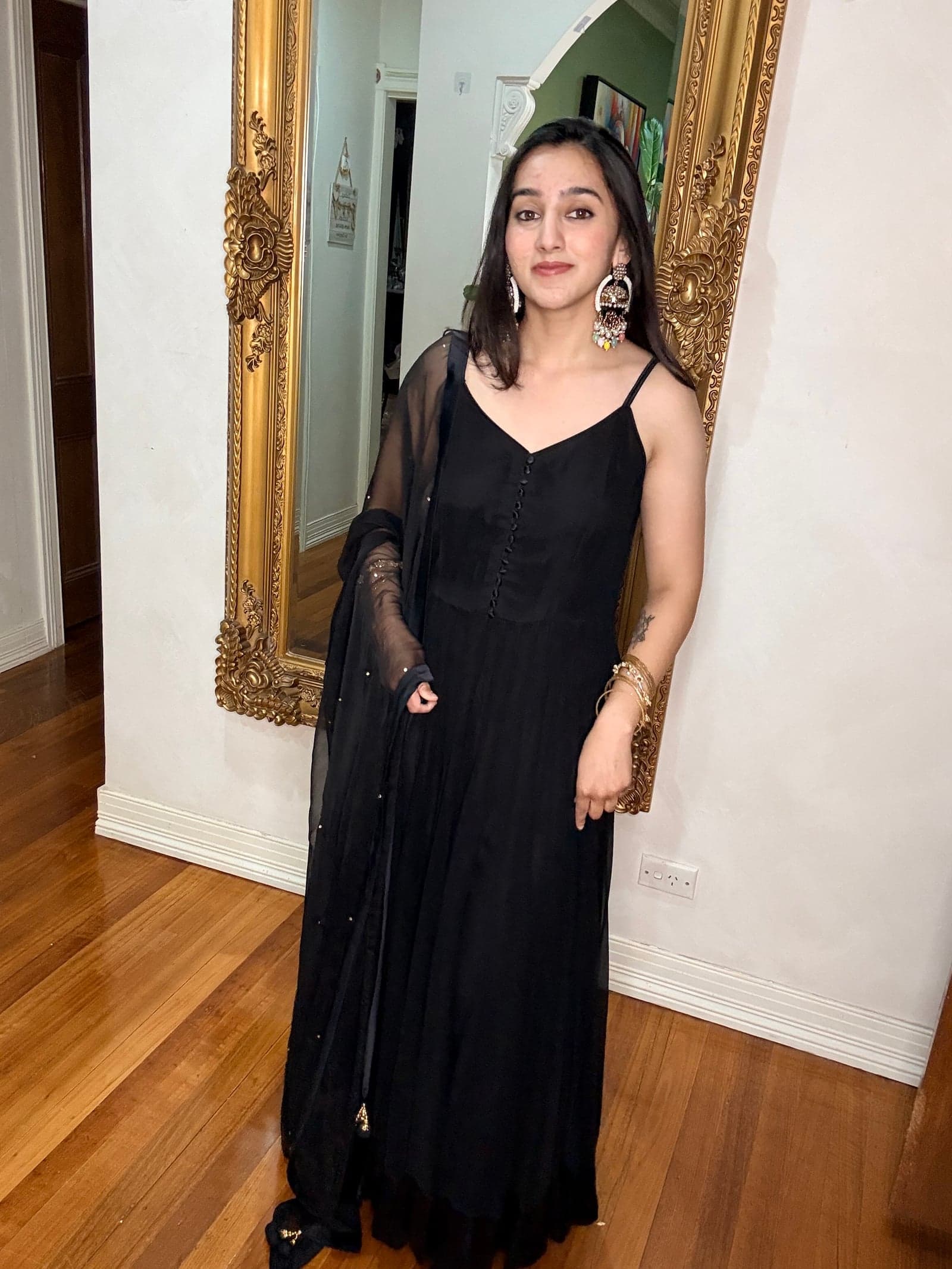
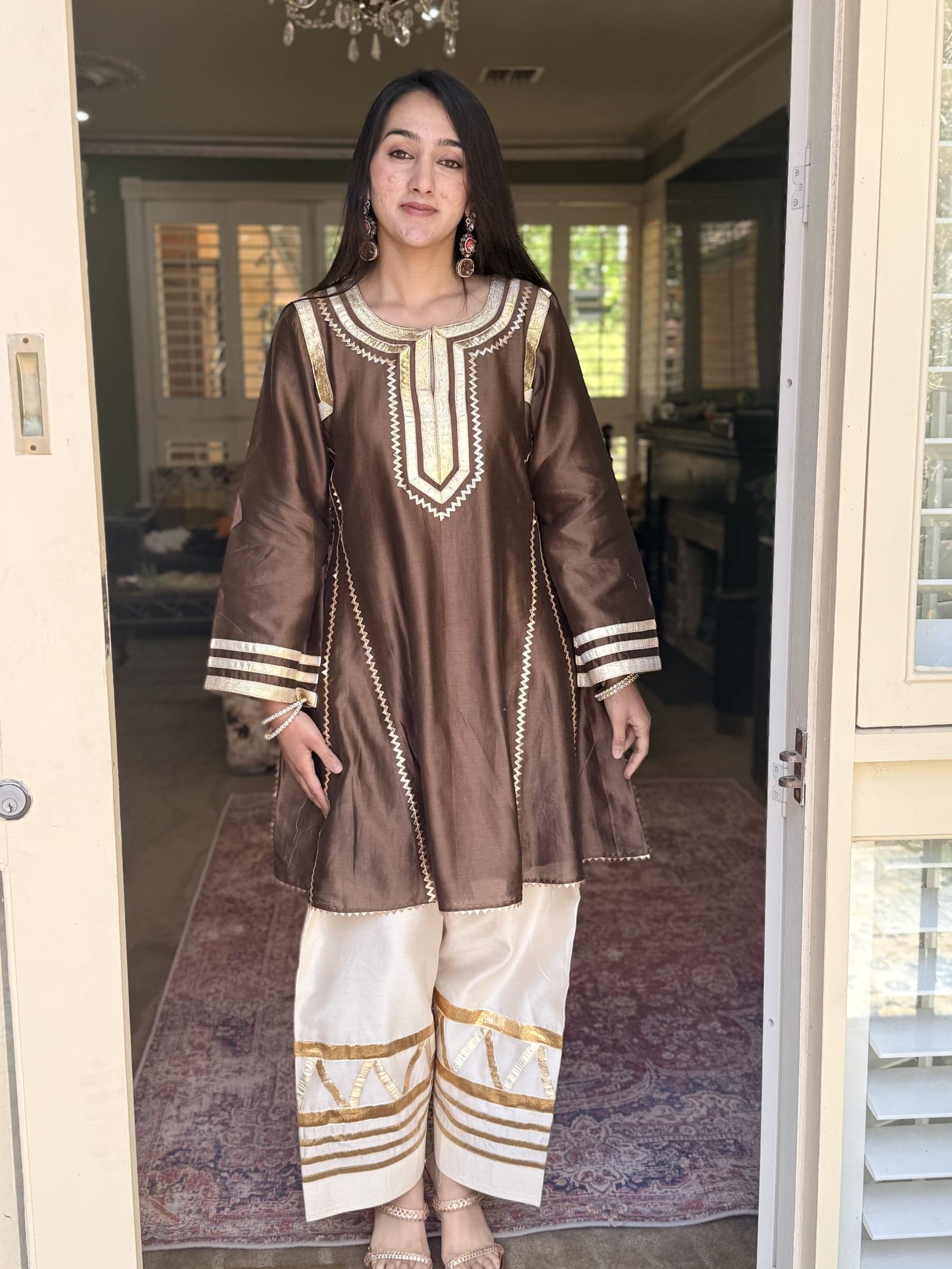
Chikankari and mukaish, sewn by hand on white muslin in an Aminabad workshop that opens late afternoon and works on into the lamplit night.

Uttar Pradesh, India

Lucknow cluster — editorial reference, ivory ground standing in for the chikankari muslin
Atelier reference from the current Aratrikkaz catalogue.

The cluster, in Ketki's words

On Lucknow.

he workshop in Aminabad does not open until the heat goes out of the afternoon. The women — and most of the hands on this cluster are women — arrive at four, sit in a long line along the wall on a single cotton dhurrie, and lay their work across their knees. There is a low brass lamp at each end of the room. There are no chairs. The chikankari is laid down in the slow hours after dusk, when the workshop quietens and the stitches go finest, and the senior woman at the head of the line will not begin her own work until she has walked the length of the room once to look at everyone else's.

I bring the cloth from a mill in Kanpur that still makes the muslin we want — fine enough that the bakhiya shadow reads cleanly from the right side, sturdy enough to hold a hool eyelet without tearing at the edge. The drawings come from our Melbourne studio, traced first onto butter paper and then block-printed onto the cloth in fugitive blue so that the stitchers have a guide that will wash out in the final rinse. From there it is hands, and only hands. A senior chikan-worker can hold seven different stitches in her vocabulary on the same square inch of cloth without writing anything down. I have asked, and she has told me she does not count — she remembers the way you remember a song.

Mukaish is the second layer. After the chikan is finished and the cloth has been washed and pressed, the mukaish-walla — almost always a man, by tradition — sits with a small hammer and a length of badla wire and beats the metal into the cloth in tiny stars. The mukaish goes on last because it cannot be washed. It is the layer that catches the lamplight at a dinner, the layer that makes a white muslin kurta look as though there are pinpricks of starlight in it when the wearer moves. It is the oldest survival of the Lucknow court atelier, and there are now fewer than forty mukaish-wallas left in the city. We work with two of them.
The vocabulary

Techniques.

bakhiya
the double-running stitch that forms chikankari's spine — worked from the wrong side so the cloth shadows from the front.
phanda
the small grain-of-millet knot that makes the centre of every flower.
ghaas patti
the leaf-of-grass stitch worked in slanted satin, used for stems and small foliage.
hool
the eyelet — the cloth itself is pierced and the edge is whipped, so light passes through the flower's heart.
jaali
the open lattice-work where threads of the muslin are drawn aside and held with hair-fine stitches; the cloth becomes lace without losing the cloth.
keel kangan
the nail-and-bangle border — a tight chain of close-set buttonhole stitches that finishes a sleeve.
mukaish
the flattened metal-wire embroidery that catches lamplight as the wearer moves — applied only after the chikan is finished.

The hands

The karigars
we work with.

  • Karigar portrait stand-in — the senior chikan-worker who heads the Aminabad line
    Atelier reference from the current Aratrikkaz catalogue.

    Shamim Bano — senior chikan-worker

  • Karigar portrait stand-in — the jaali specialist who draws the open lattice-work
    Atelier reference from the current Aratrikkaz catalogue.

    Razia Begum — jaali specialist

  • Karigar portrait stand-in — the mukaish-walla who beats badla wire into the finished cloth
    Atelier reference from the current Aratrikkaz catalogue.

    Imran Ali — mukaish-walla

The visit log

When Ketki was last
in the workshop.

  • February 2026

    Ketki visited the Aminabad workshop for the four spring chikankari kurtas — sat the late shift, watched the jaali drawn on the dawn-grey muslin.

  • September 2025

    Mukaish commissions placed with both remaining houses; one piece completed under the senior mukaish-walla's own hand.

The chikankari is laid down in the slow hours after dusk, when the workshop quietens and the stitches go finest.

— Ketki Gupta · on the Lucknow cluster