There is a pattern in most diaspora wardrobes: a great deal of Indian clothing, worn perhaps six times a year, hanging next to everything that gets worn constantly. The clothes are loved and the clothes are idle.
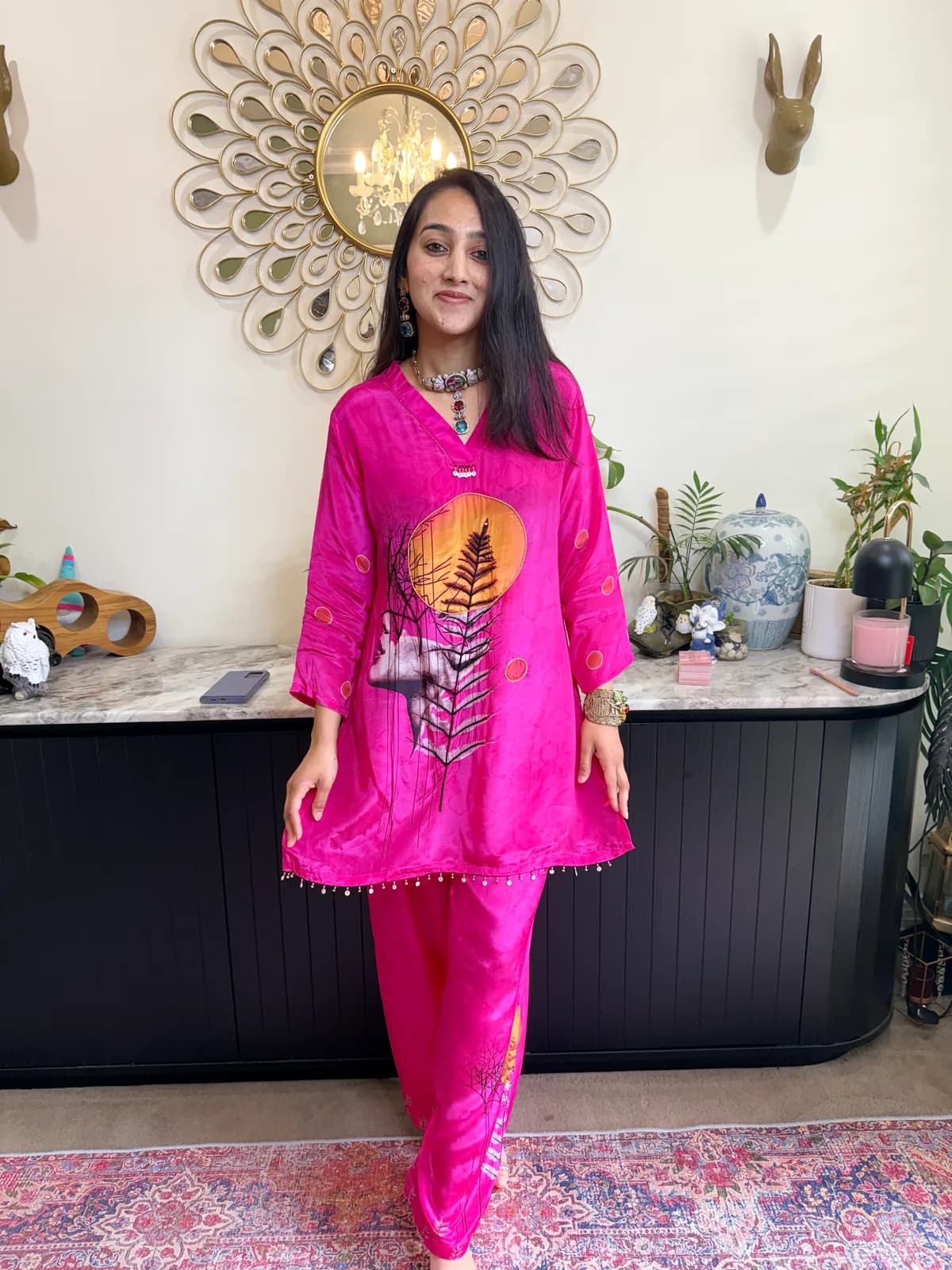
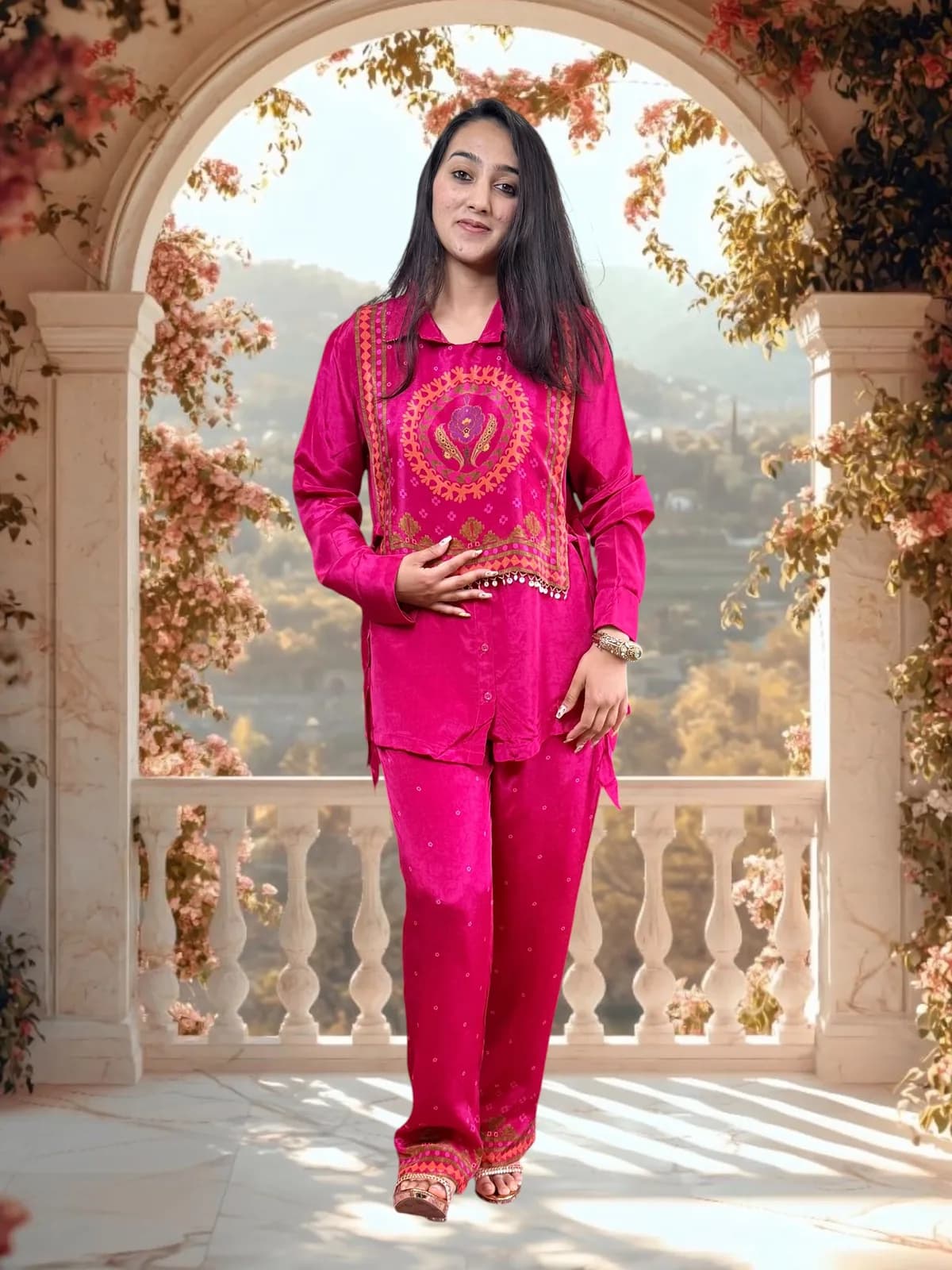
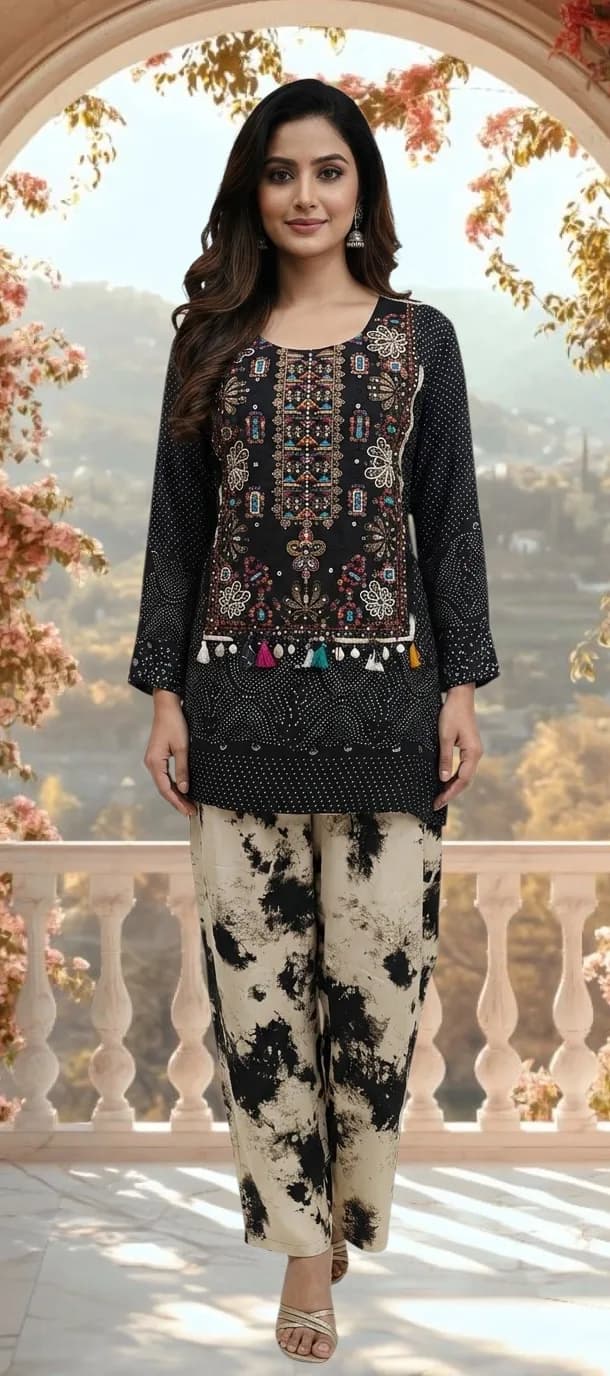
The co-ord set is the piece that breaks the pattern, because it does not announce itself as occasionwear. Two pieces cut to be worn together, usually in a fabric that behaves like clothing rather than costume, and — crucially — two pieces that also work apart.
That separability is the whole argument. The top goes with jeans. The trousers go with a plain shirt. Worn together it reads as an outfit; worn apart it disappears into the rest of the wardrobe and gets used.