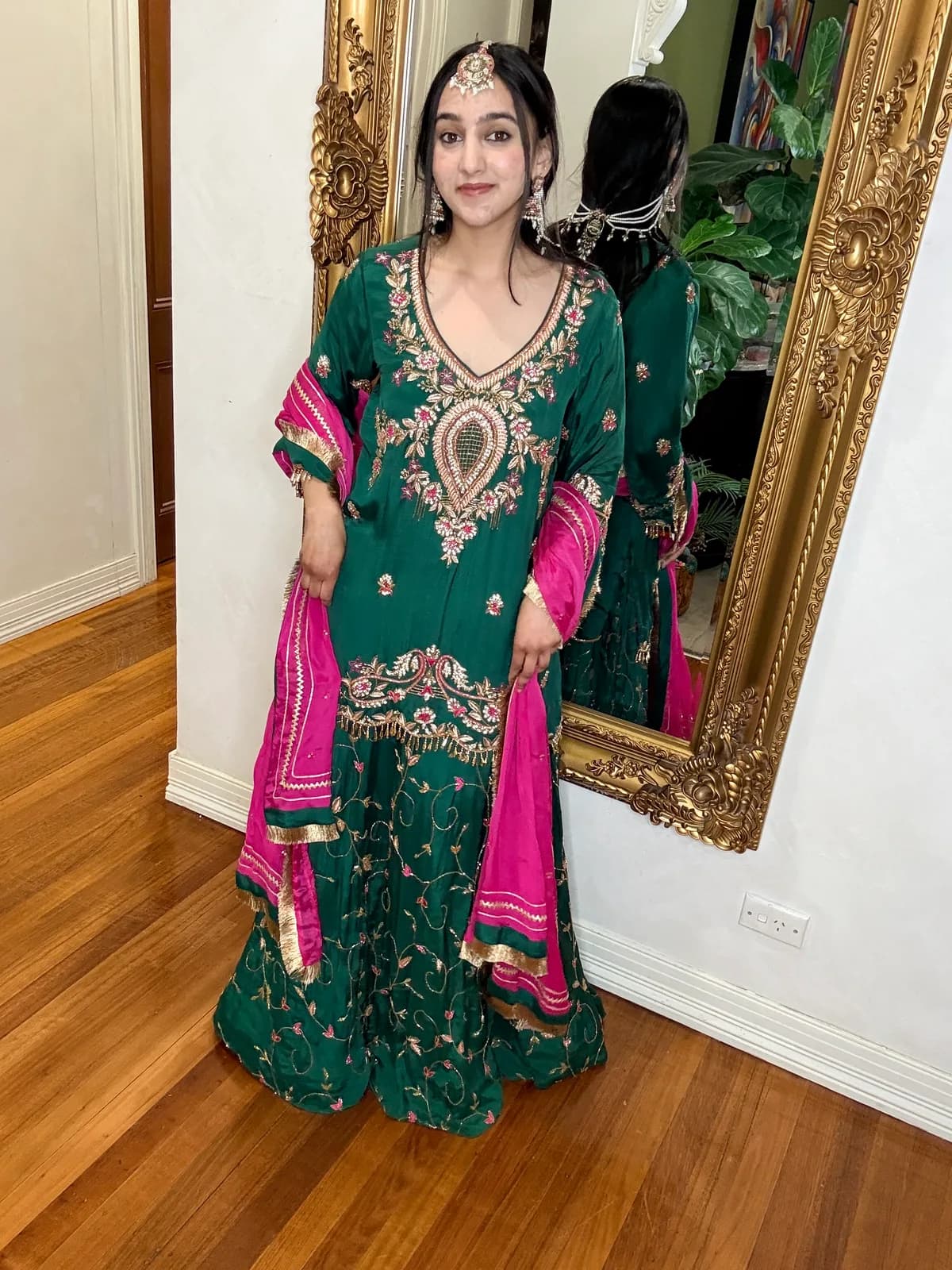
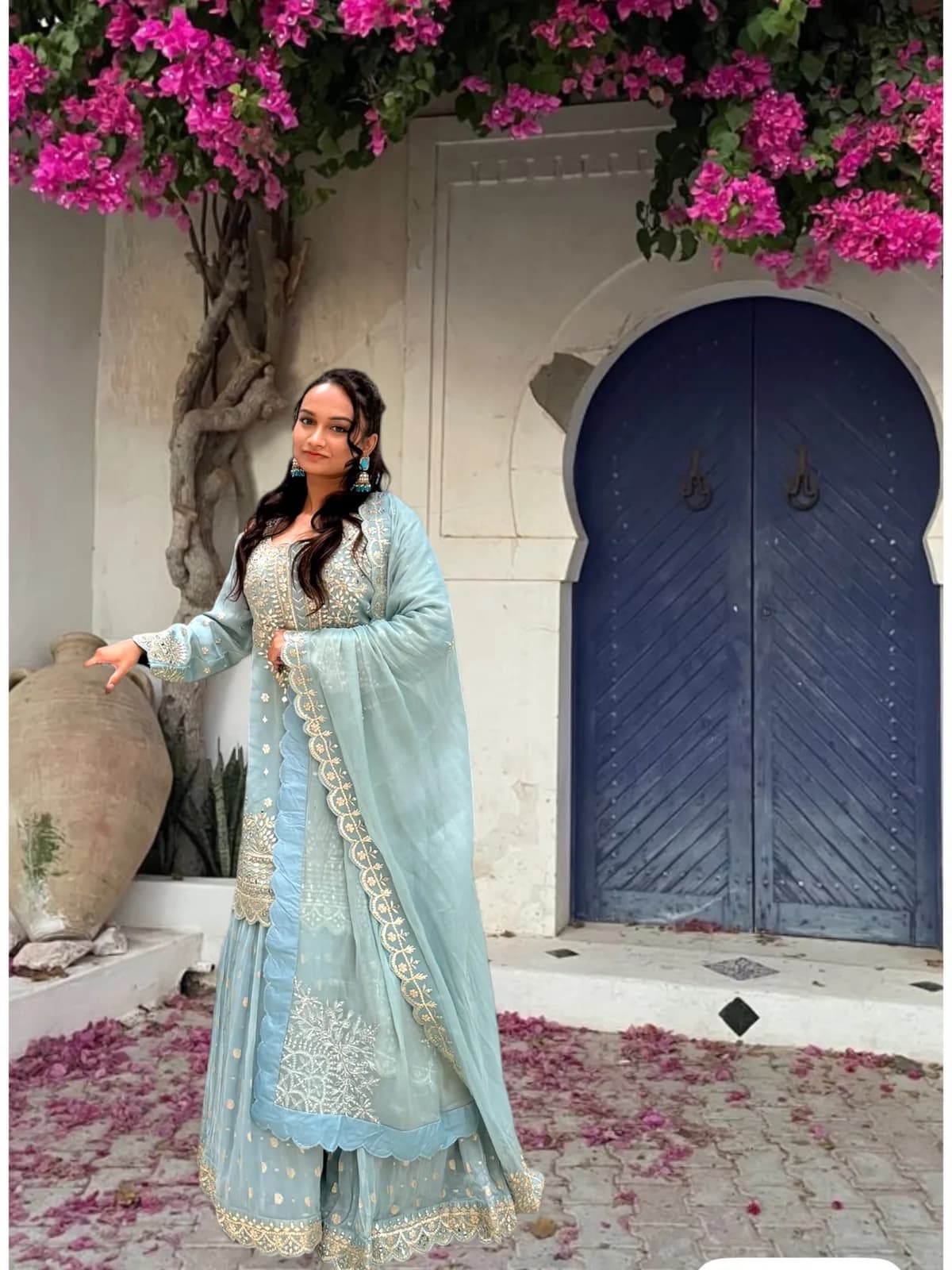
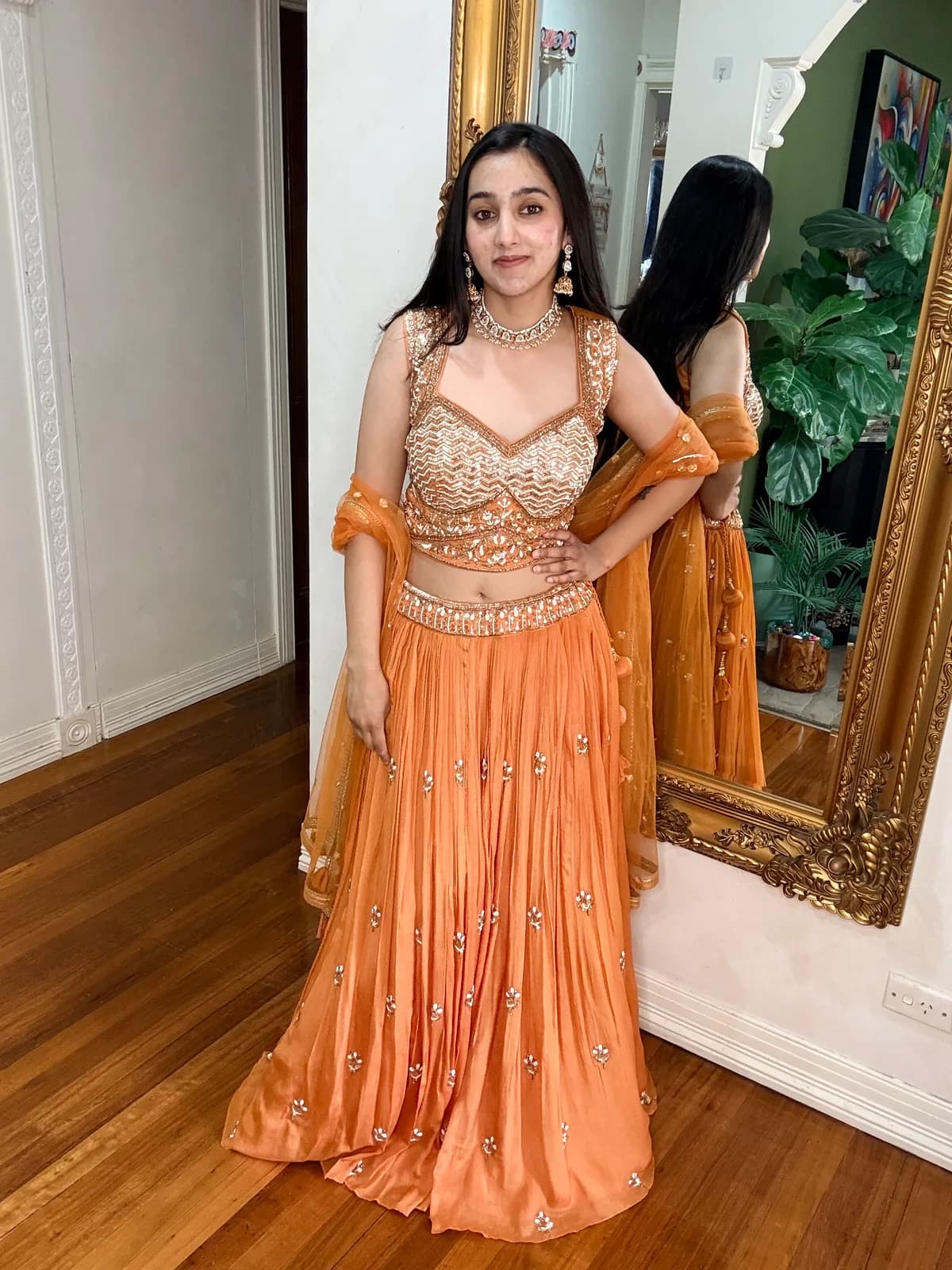
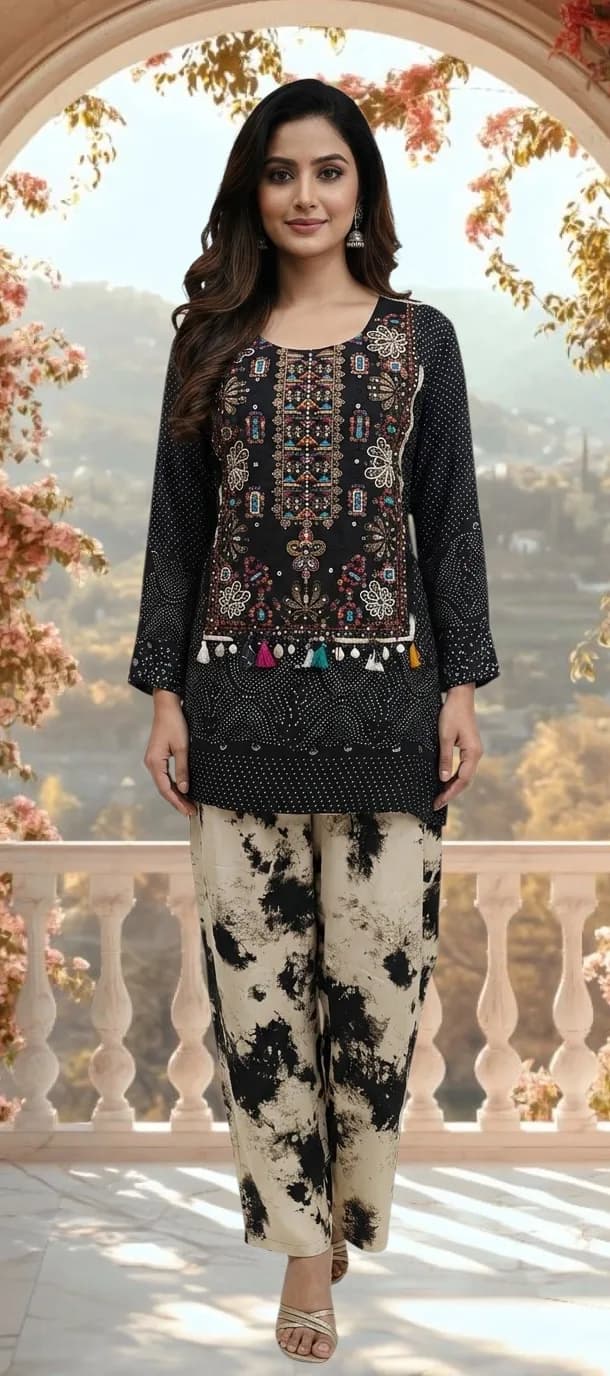
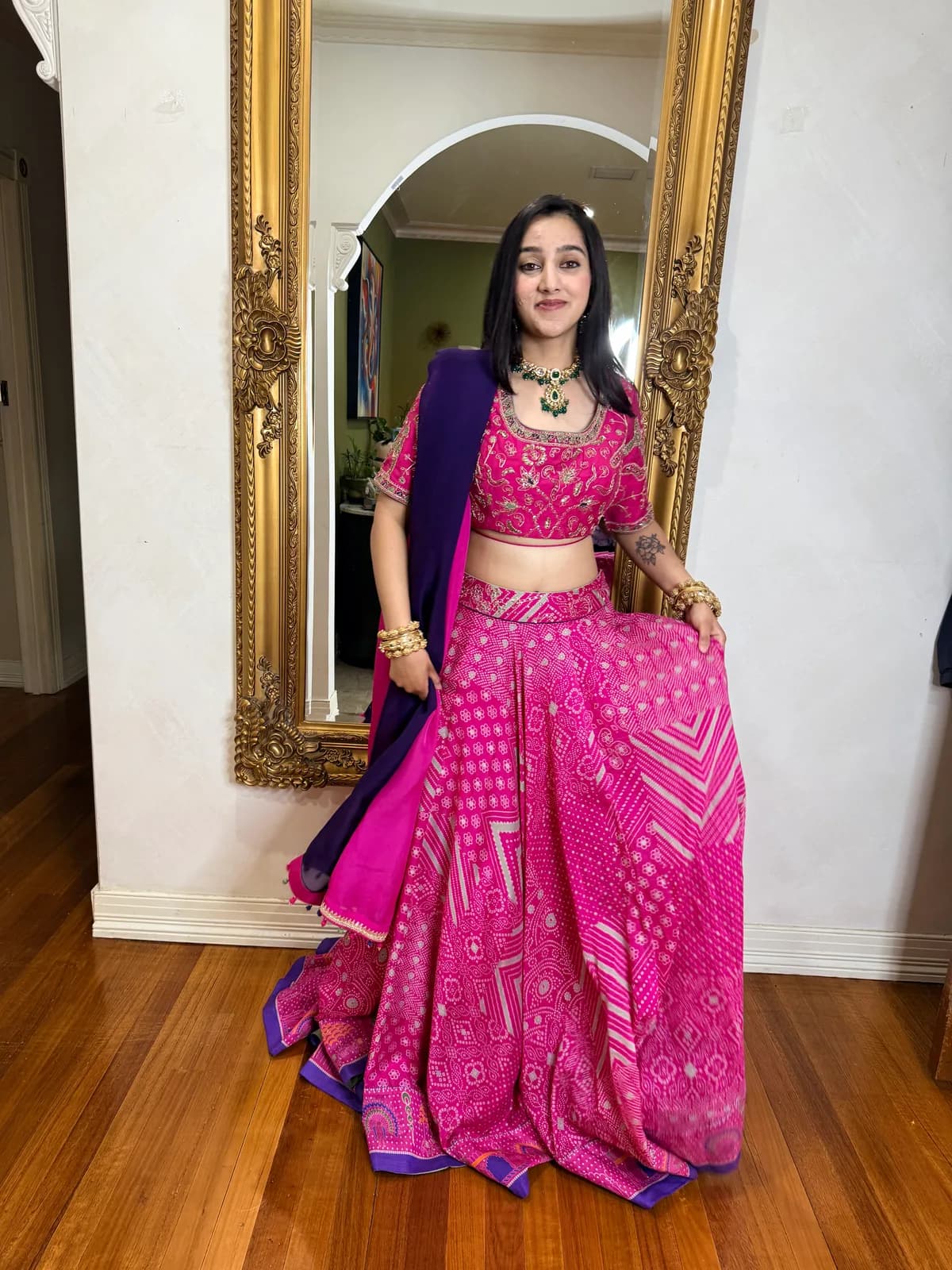
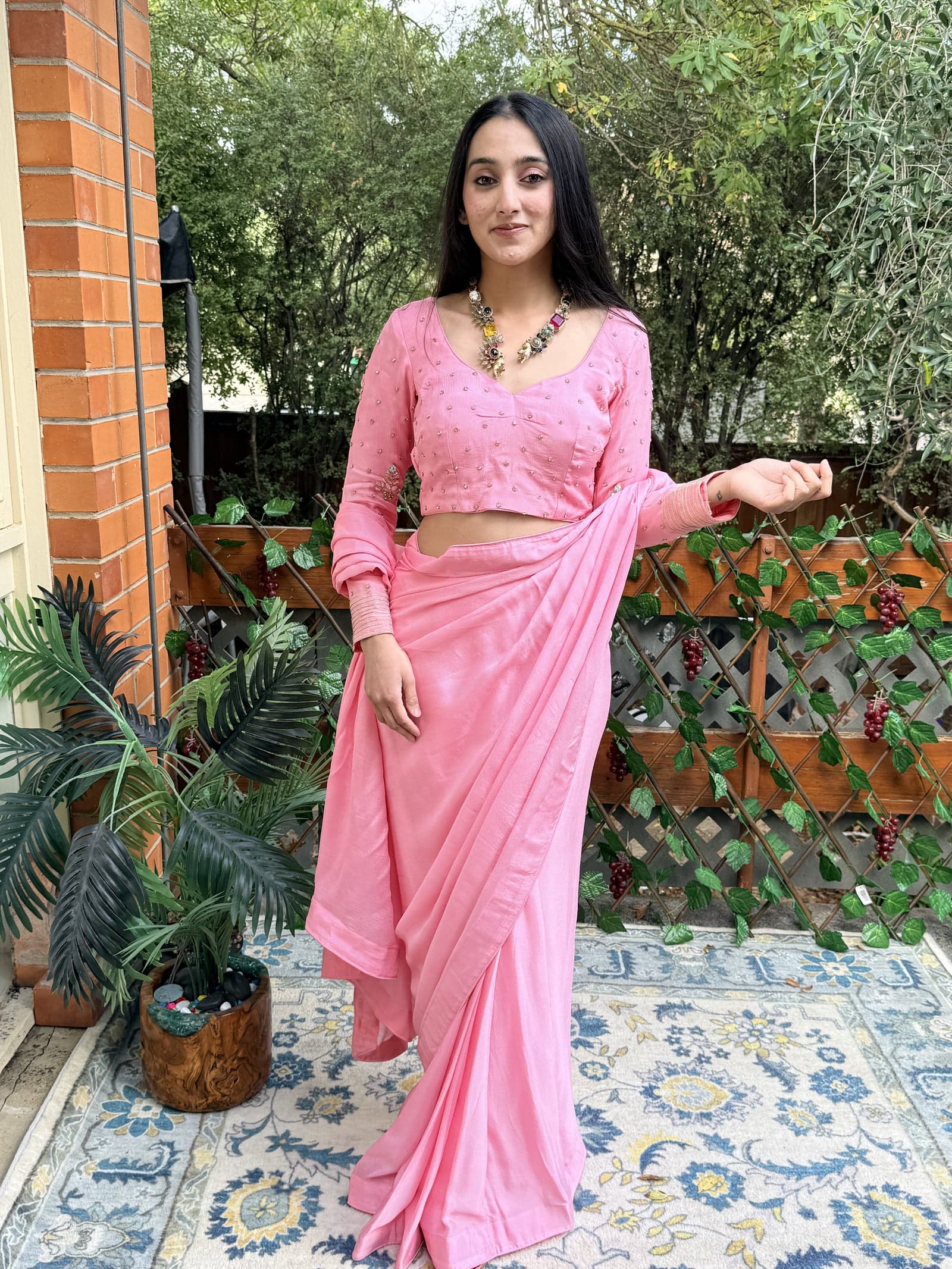
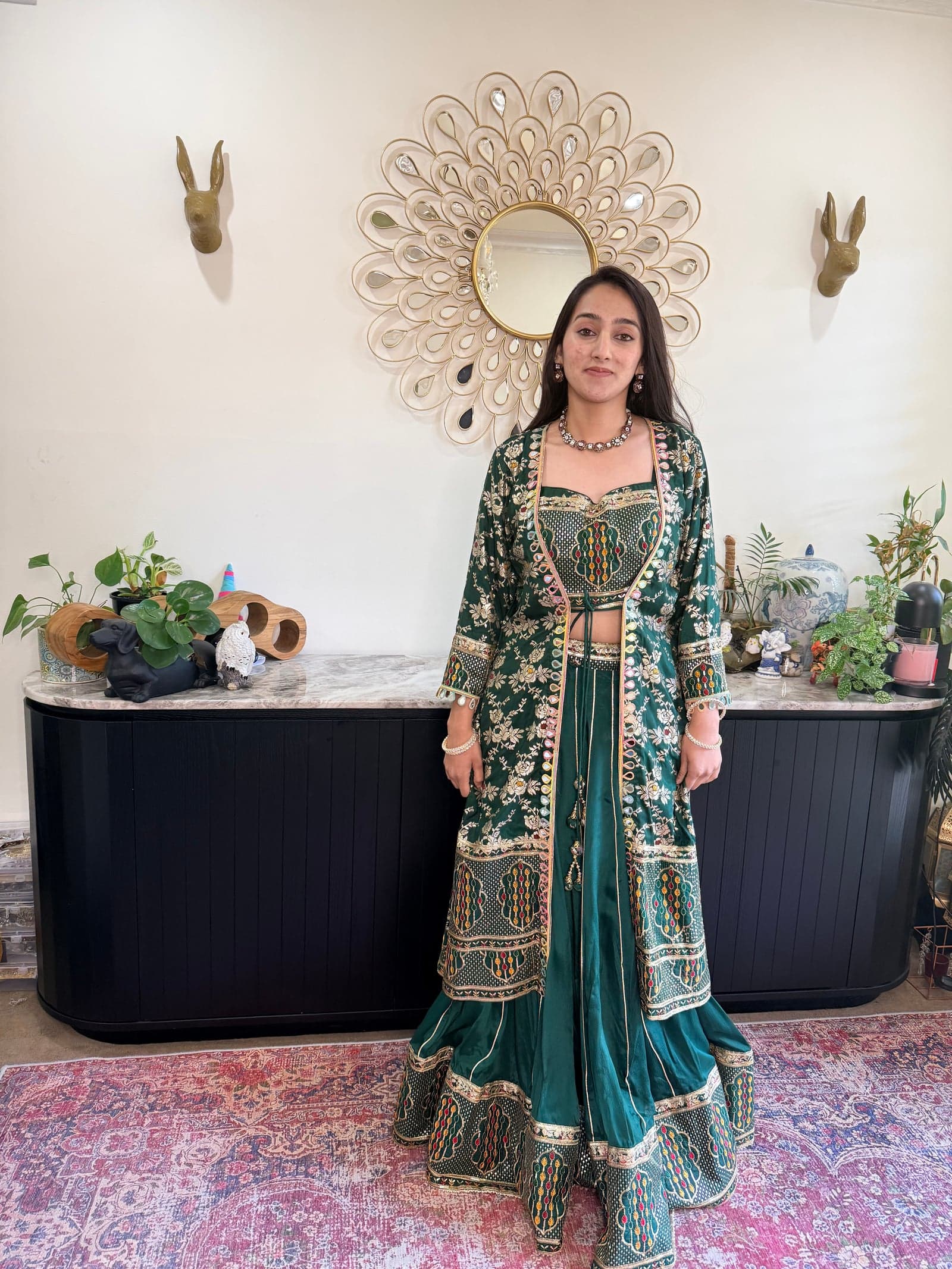
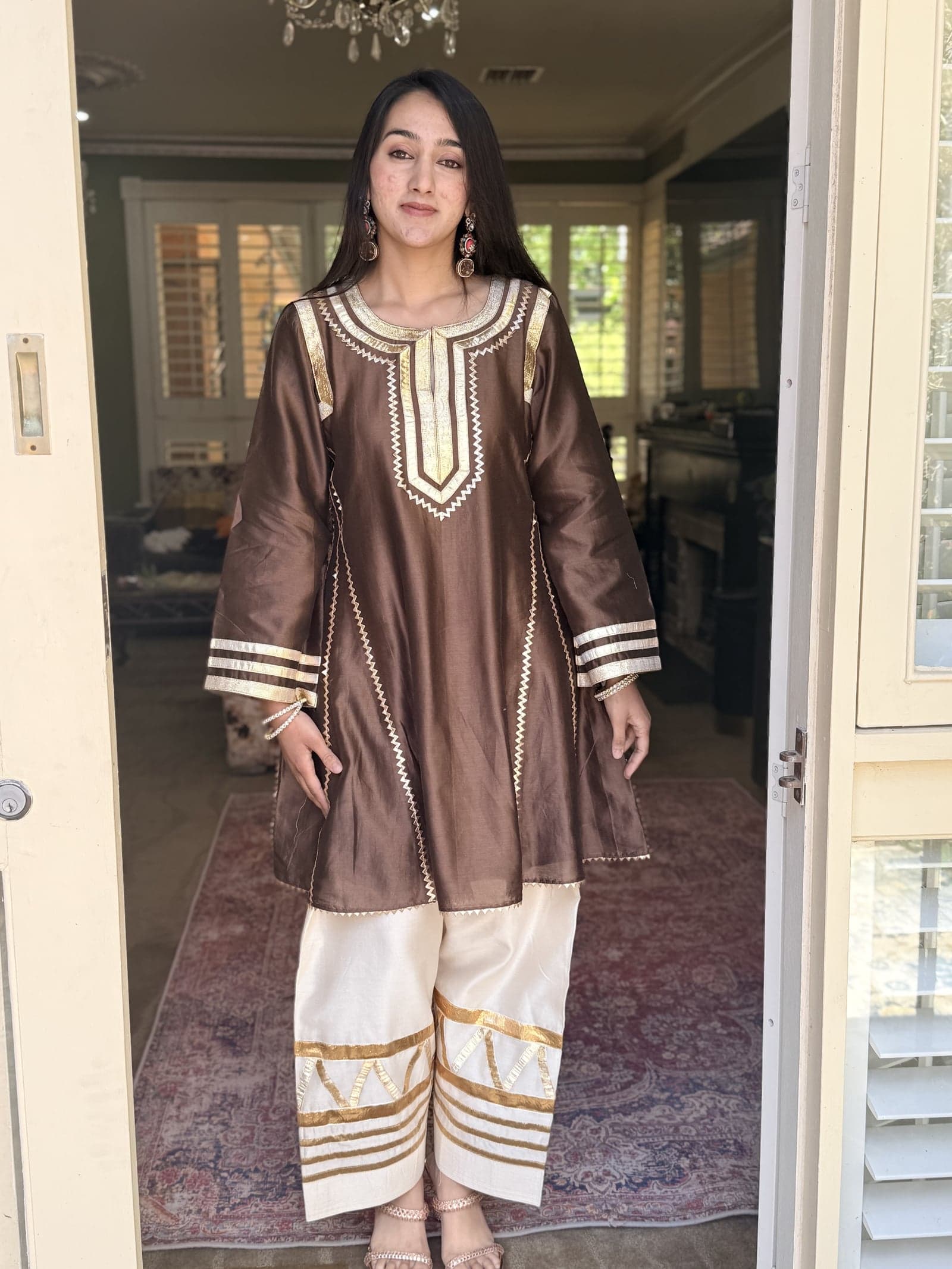
Three materials that outlast everything else in the wardrobe if stored properly, and fail quickly if not. What actually damages them in an Australian climate.
A category name doing a lot of work. Four distinct things get sold under it, and knowing which one you are looking at decides whether it suits the event.
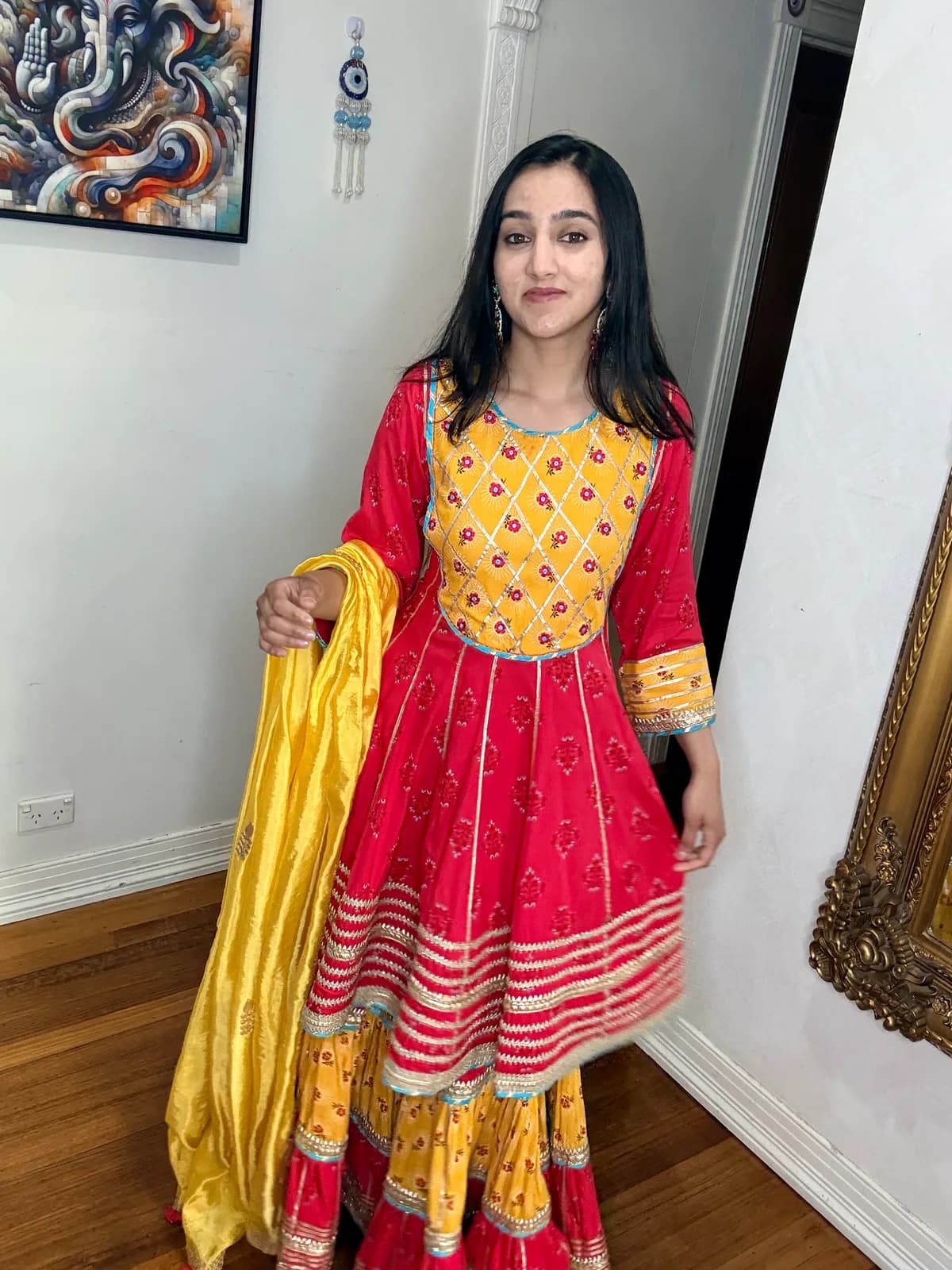
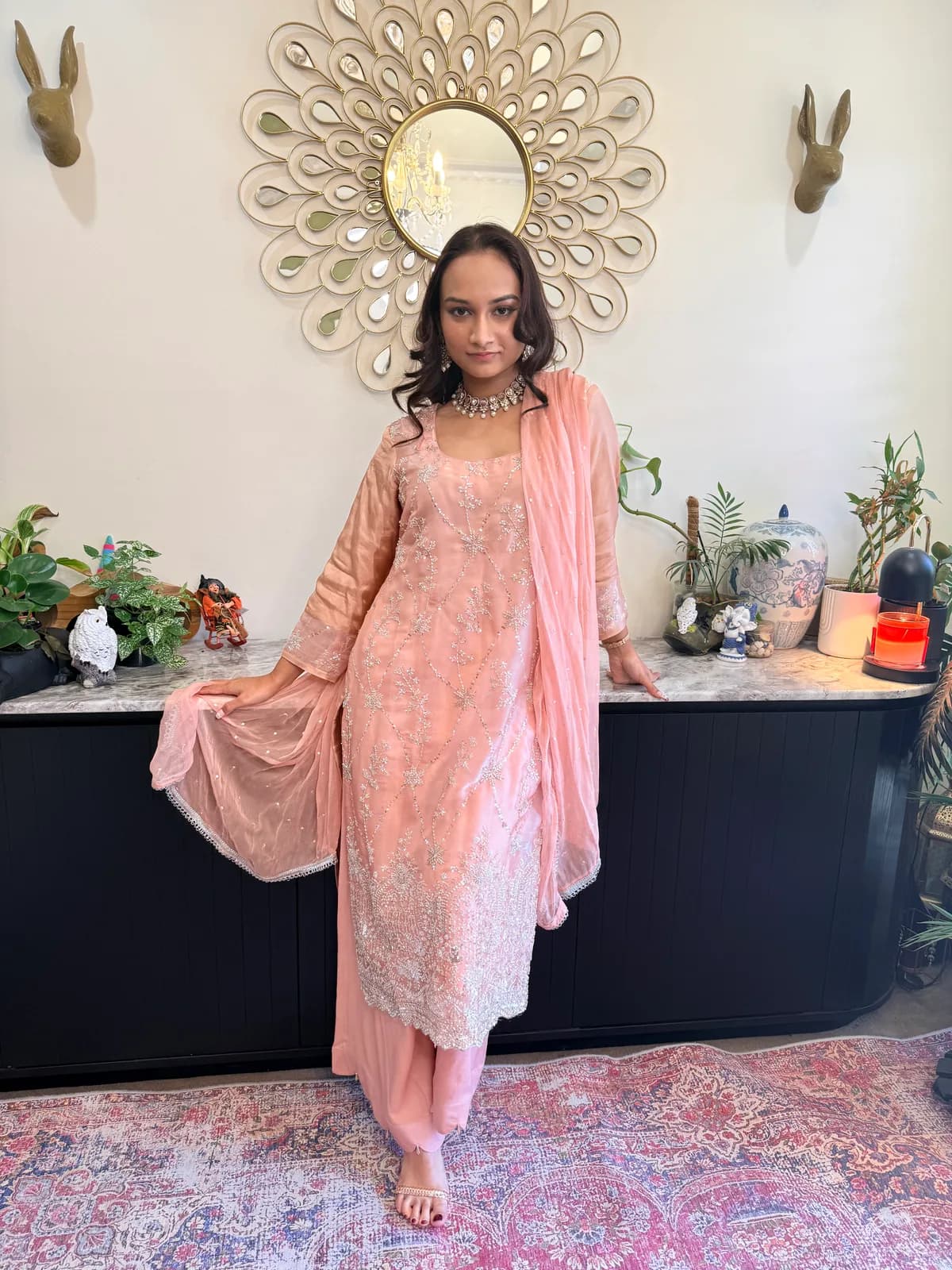
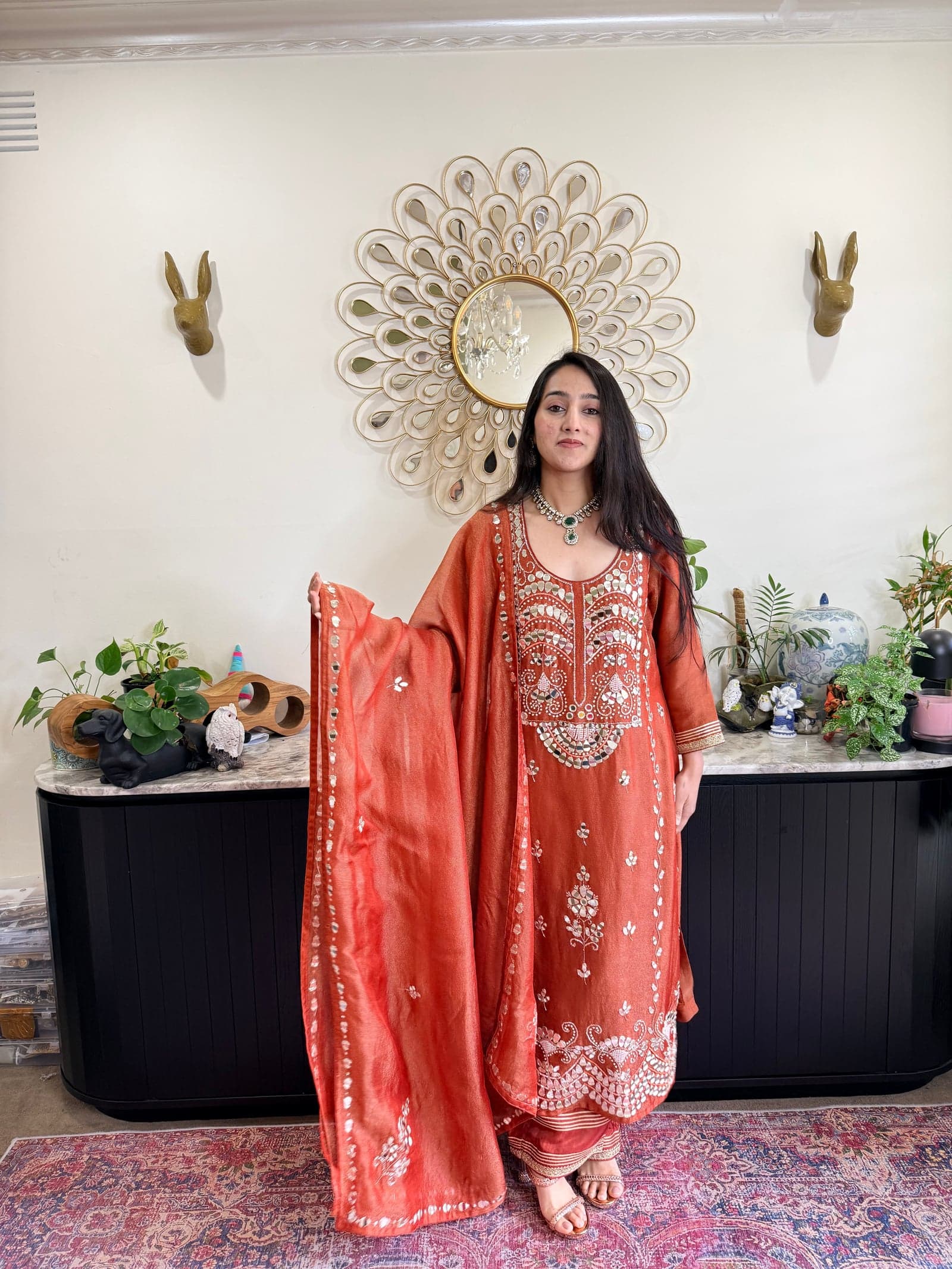
Floor-length, mid-calf and the short anarkali-cut kurta are three different garments wearing one name. Where the flare begins matters more than the hem.
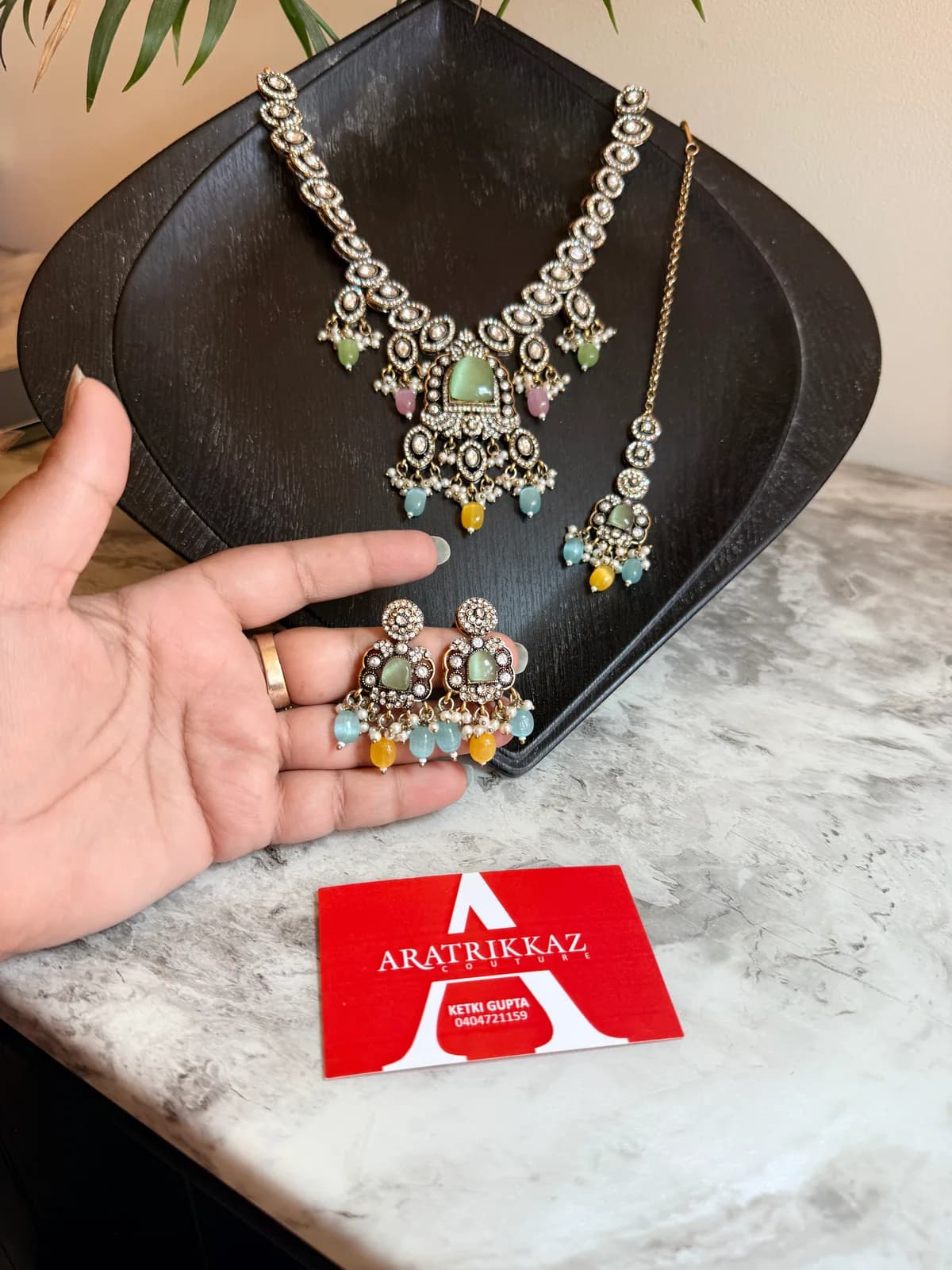
What kundan actually is, why it reads warmer than diamanté under Australian venue lighting, and the one-piece rule that photographs better than a full set.
Navratri is the only event in the calendar where the clothes are judged by how they move for four hours, nine times. What that rules out, and what it rules in.
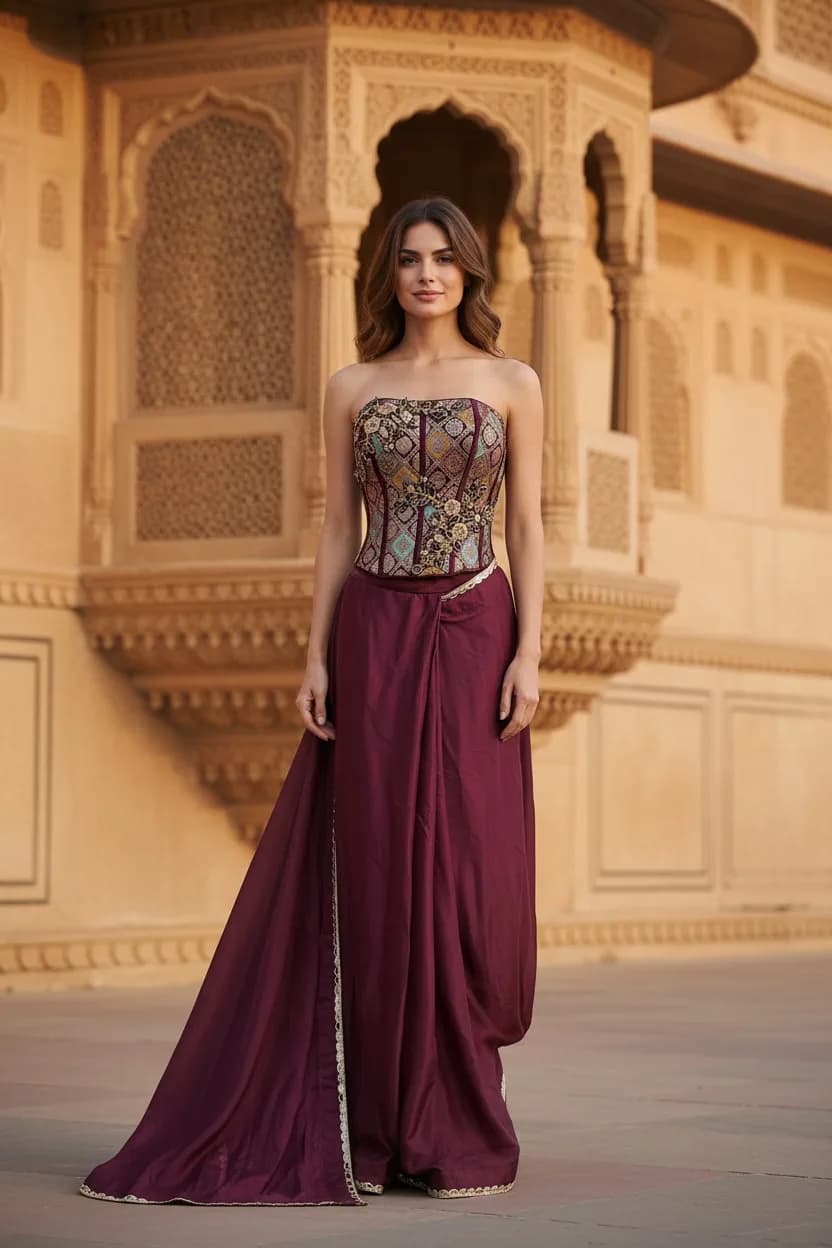
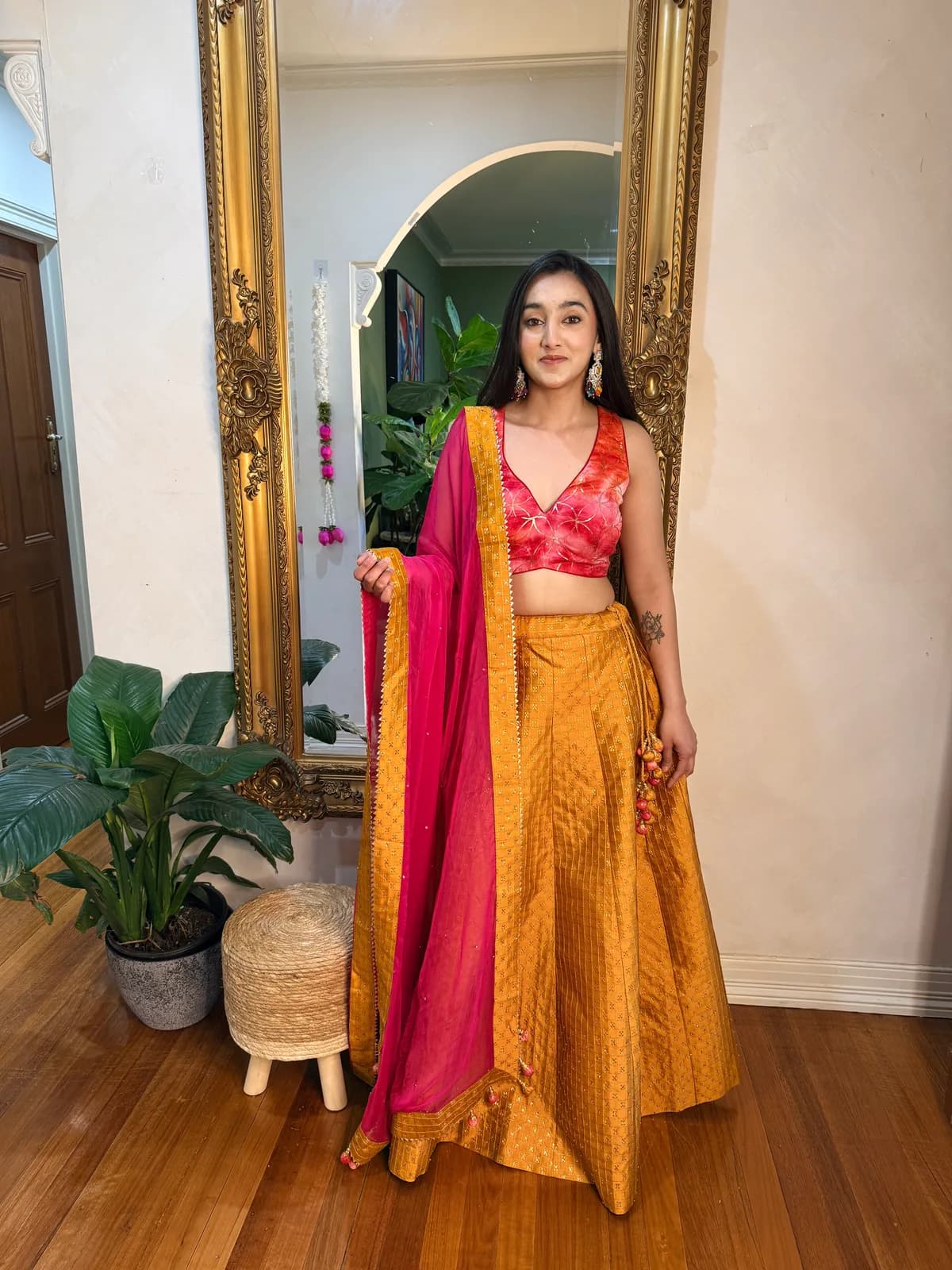
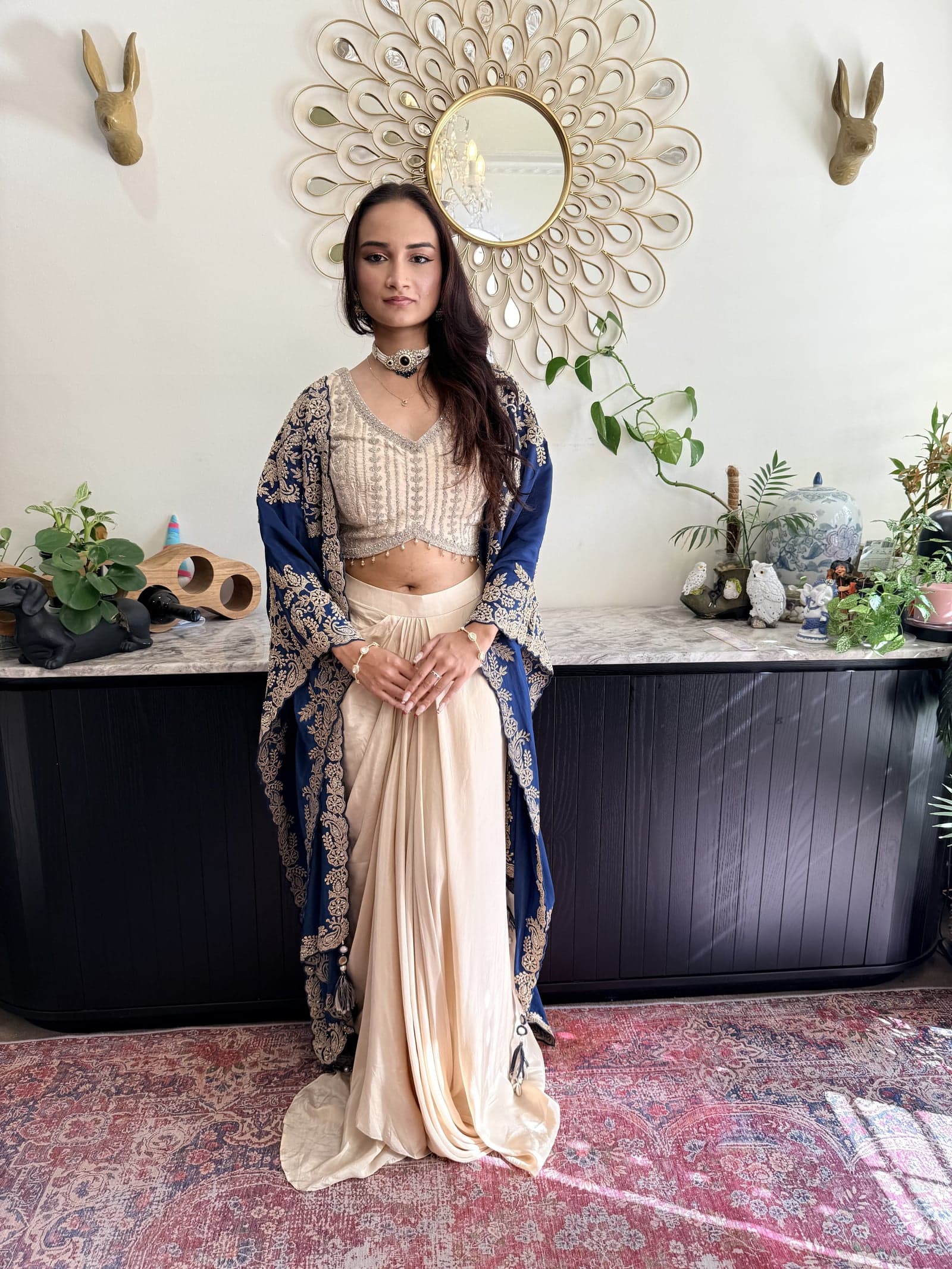
Structured bodices have replaced the soft-stitched choli on half the rail. What the construction actually does, who it suits, and the one thing to get right.
The most expensive thing most people buy in this category, bought for one event, chosen under time pressure. Six decisions that determine whether it gets a second wearing.
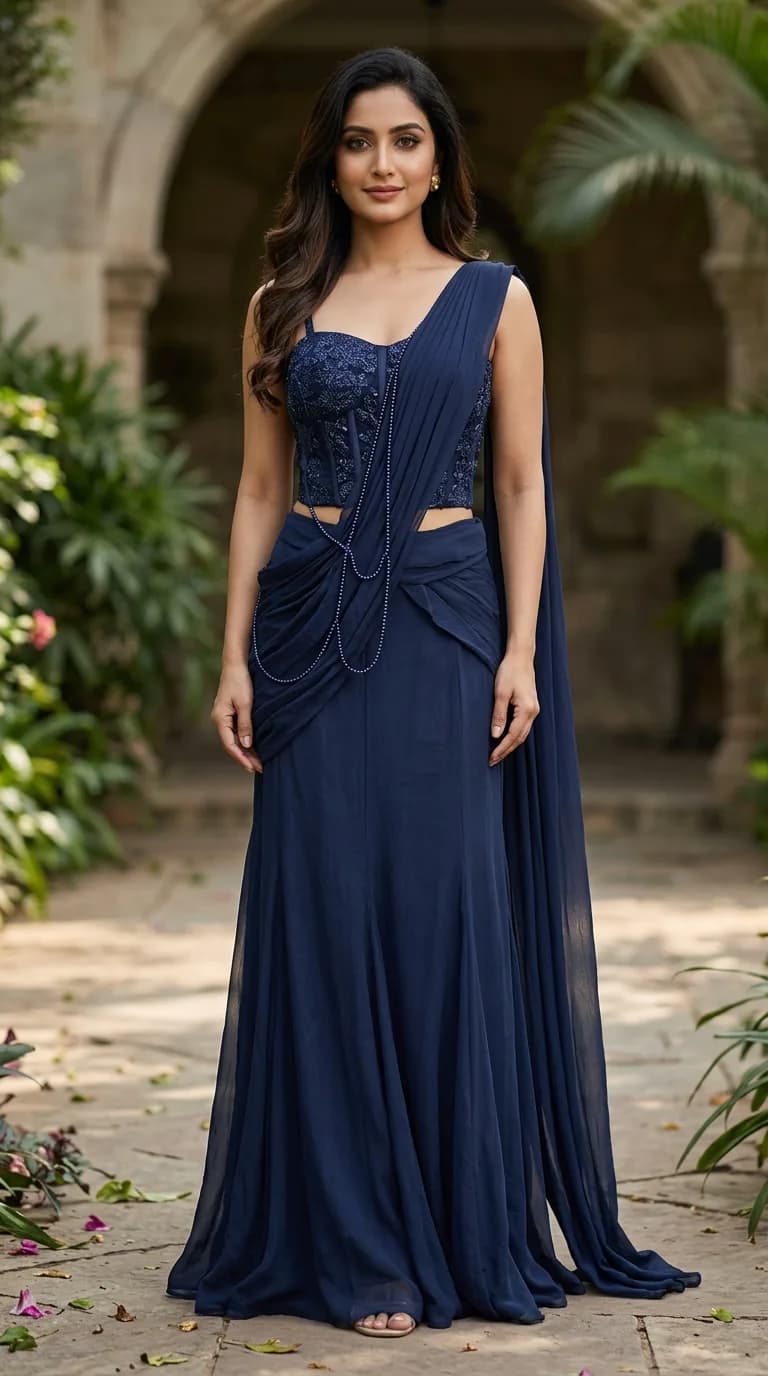
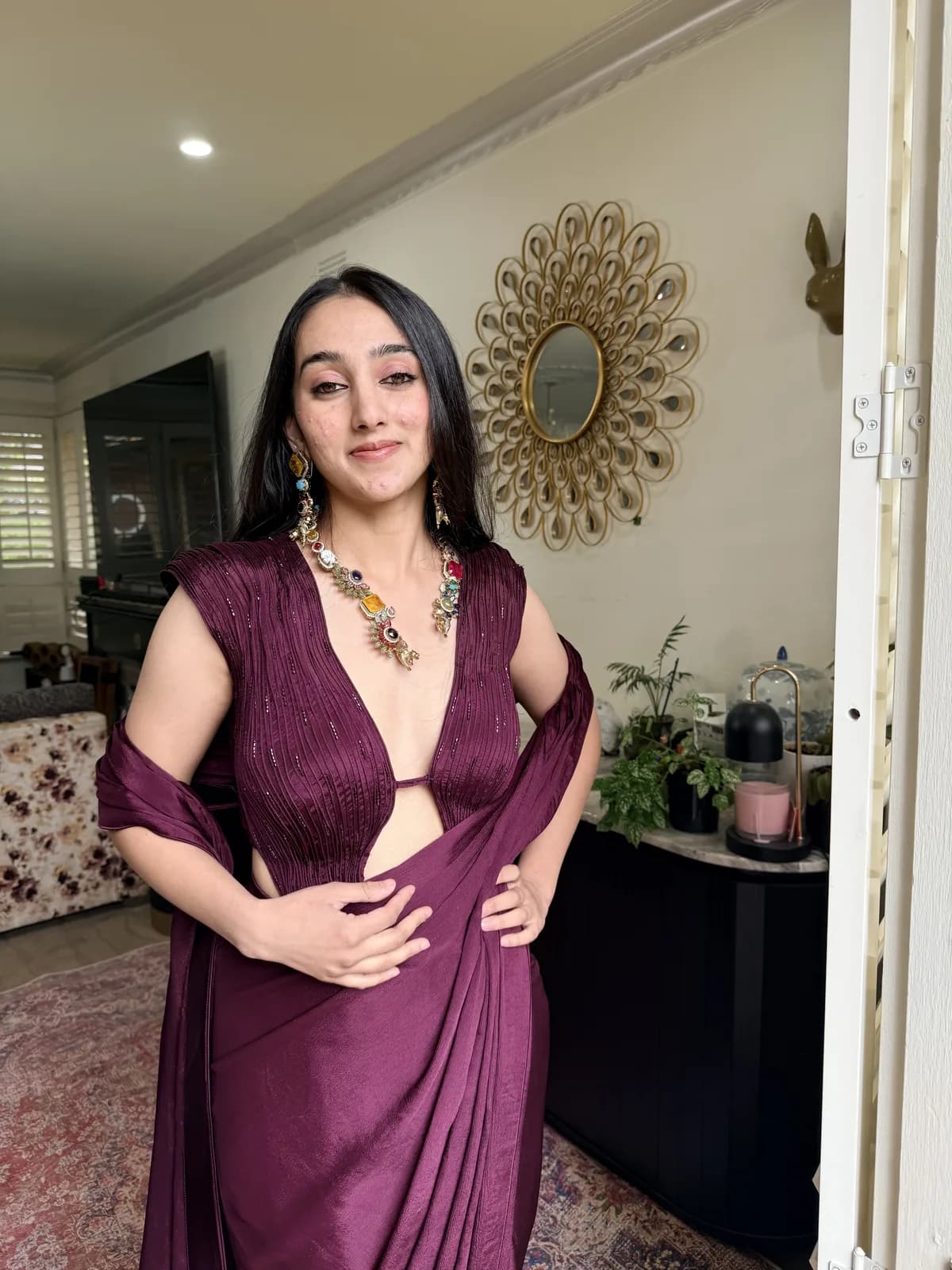
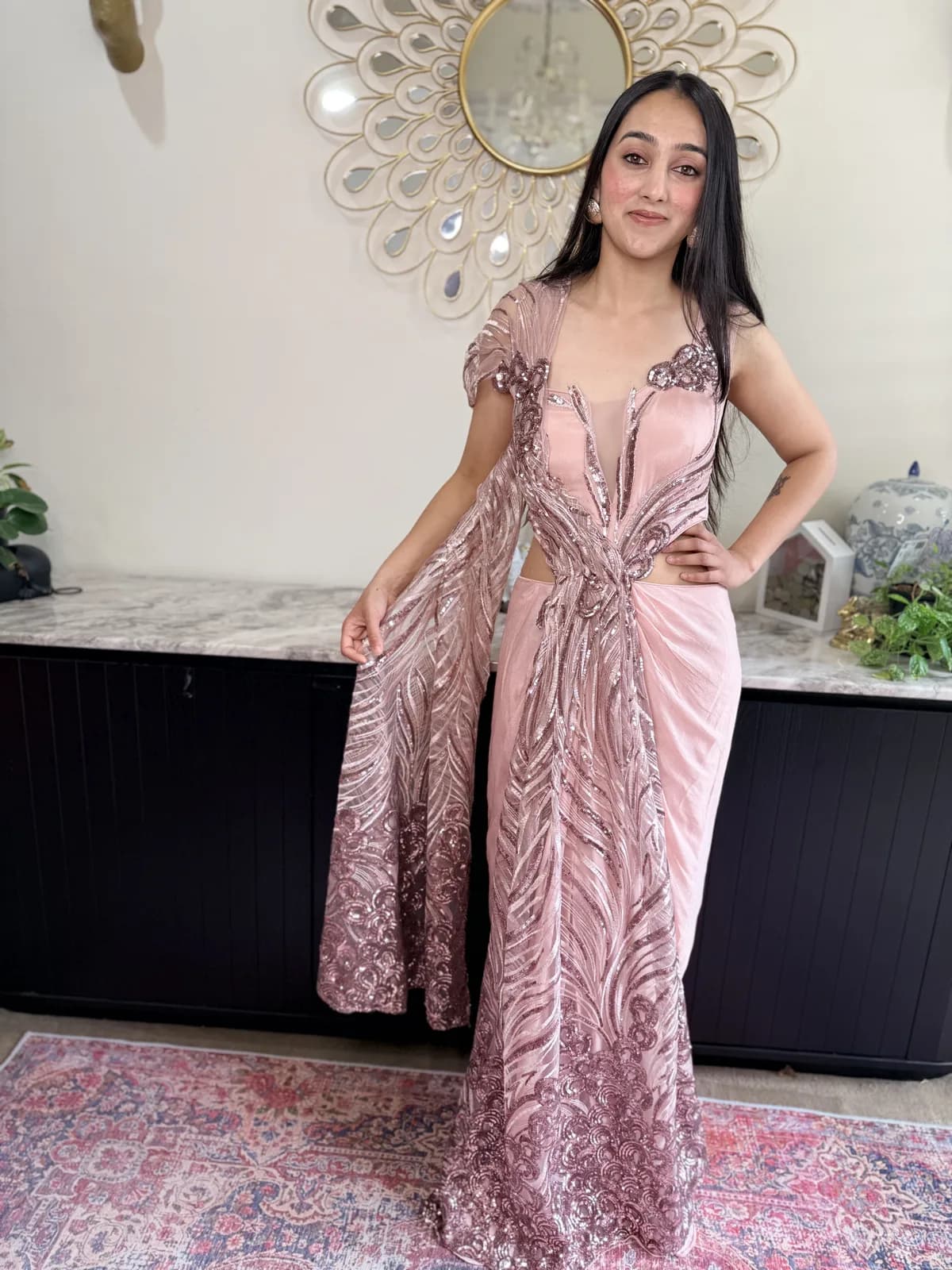
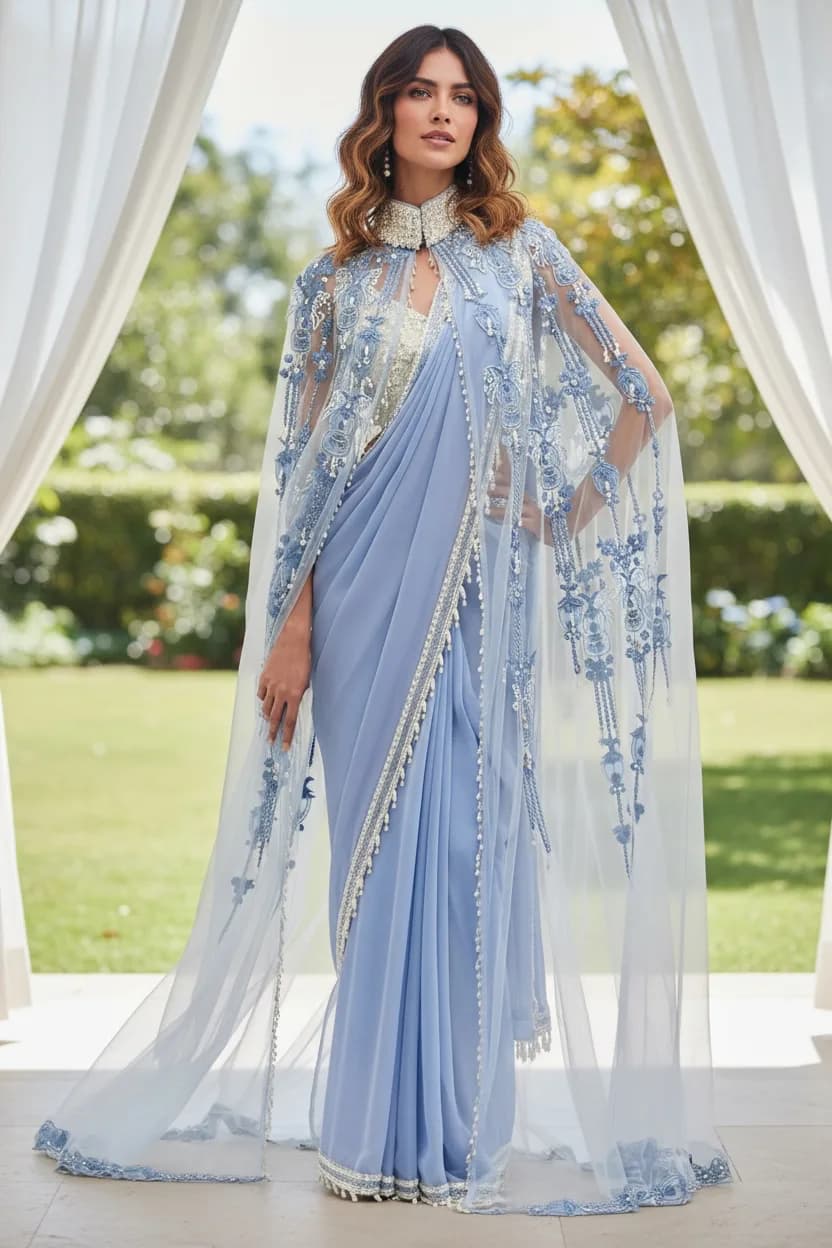
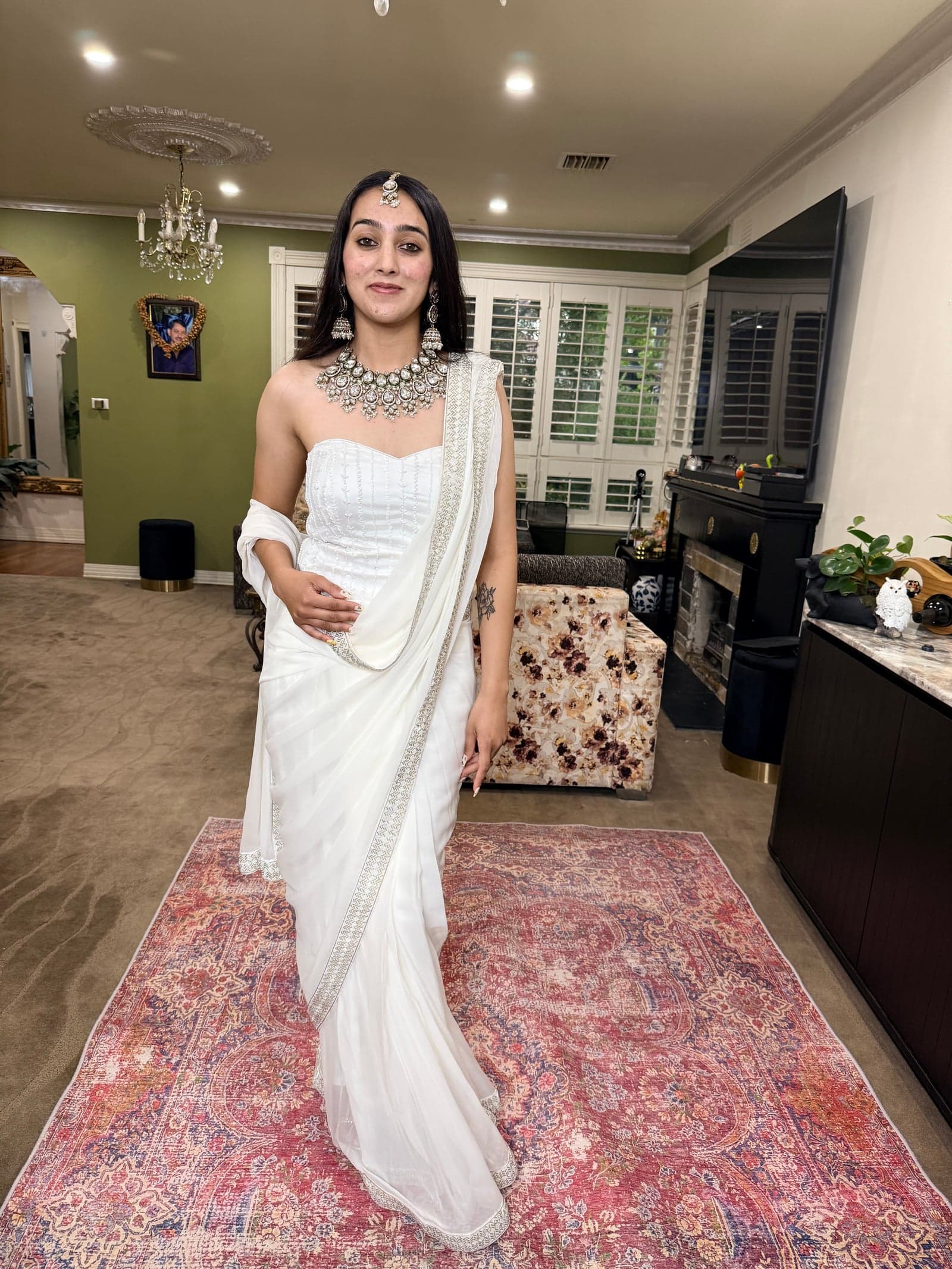
A stitched saree is not a shortcut for people who cannot drape. It is a different garment with different trade-offs — and for some occasions it is the better one.
An Indian wedding in an Australian January is a specific technical problem. These are the fabrics that solve it, and the ones that only look like they will.
Not a colour, not a motif, and not a price. A weaving technique from a specific city — and the difference between the real thing and something that borrows the word.
The hardest brief in the calendar: formal enough to honour the occasion, restrained enough not to compete, and photographed more than any other event of the season.
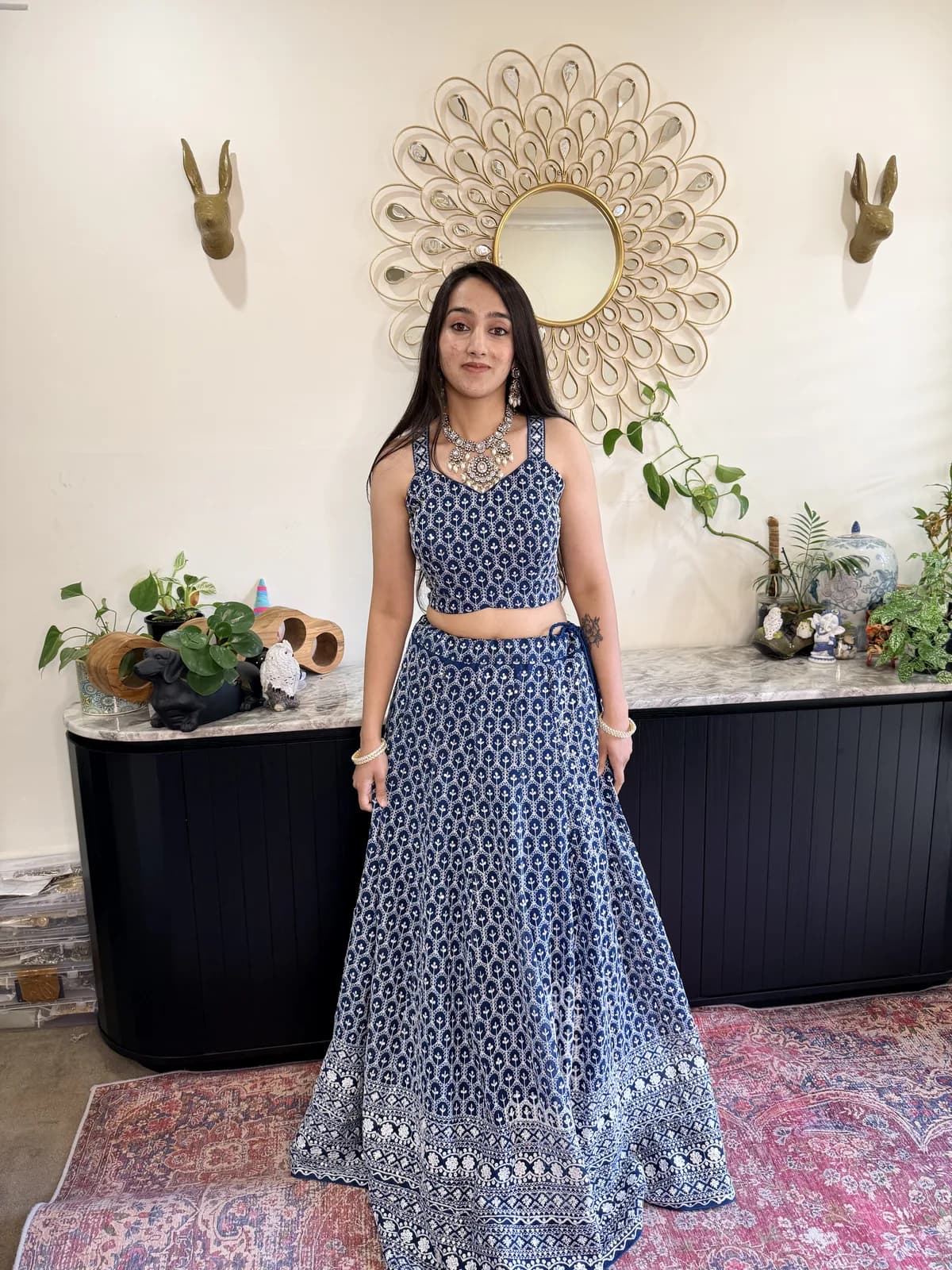
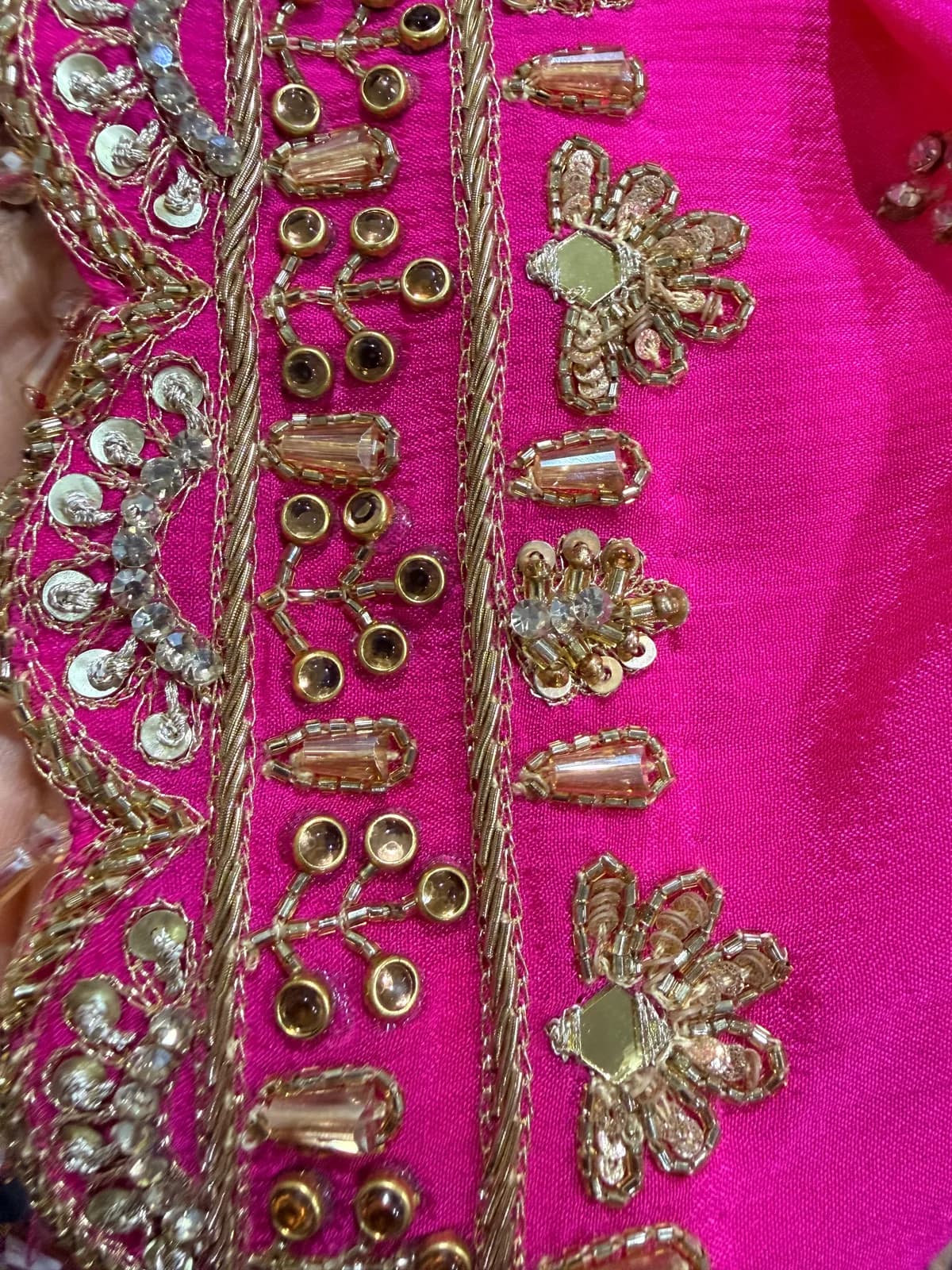
The words on a product page describe genuinely different techniques, done by different hands, behaving differently when you wear and wash them. What each one actually is.
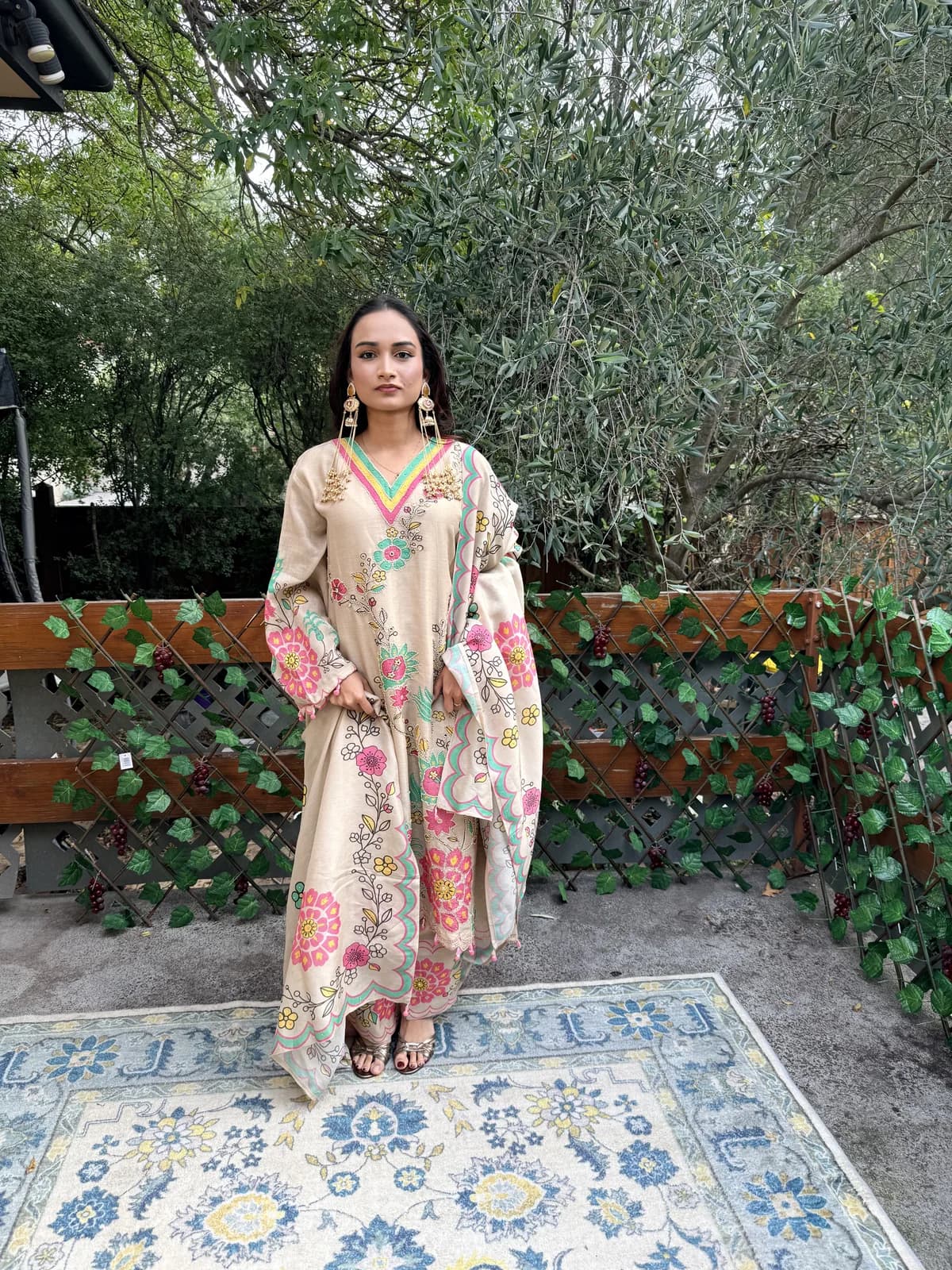
Most kurta sets in Australia get worn twice a year. The cotton and cotton-silk ones were never meant to be special-occasion clothes, and they are the most useful thing in the wardrobe once you treat them that way.
The dupatta is the one piece in the outfit that changes the whole silhouette without being altered. Six drapes, what each does to your proportions, and which needs a pin.
Velvet is the one occasion fabric that actually suits a Melbourne June — and the one most likely to be bought for the wrong month. When it works, and when it will defeat you.
Indian sizing and Australian sizing do not line up, which is how people end up with a beautiful garment they cannot close. How the two map, and where the mapping stops being reliable.
Pre-stitched and pre-draped sarees are not a shortcut for people who cannot drape. They solve a different problem, and it is worth being precise about which one.
A guest's guide to the four outfits an Australian wedding season actually asks for — and how to choose when the ceremony is in a hall in Melbourne and the reception is somewhere with air conditioning.
A Banarasi green we can't quite settle, a near-forgotten Lucknow stitch, and an ongoing argument about oxblood — the conversations that shape a season.
The festive season in Melbourne is not the festive season in Mumbai. The light, the heat, the calendar — and what the wardrobe should know about all three.