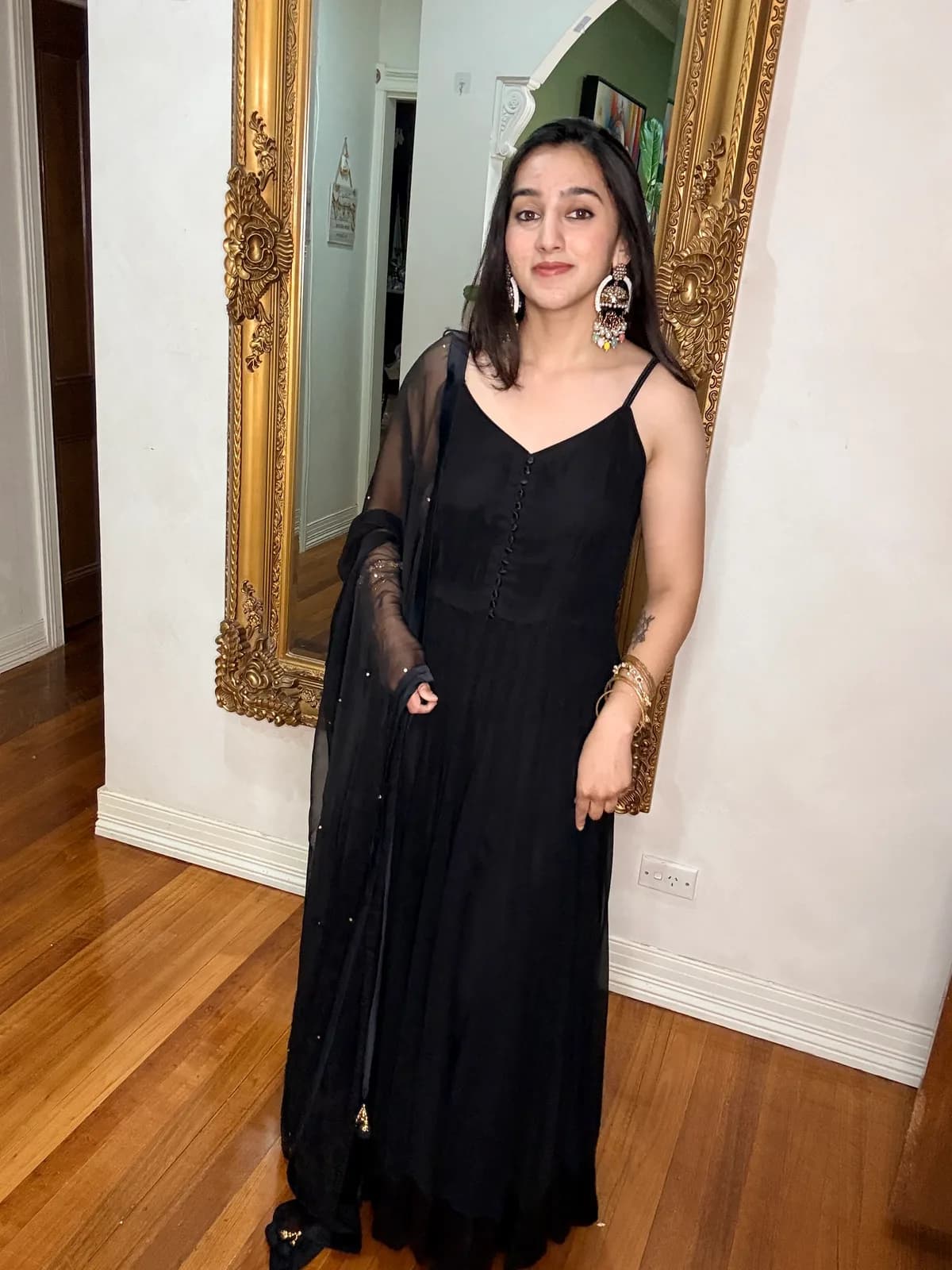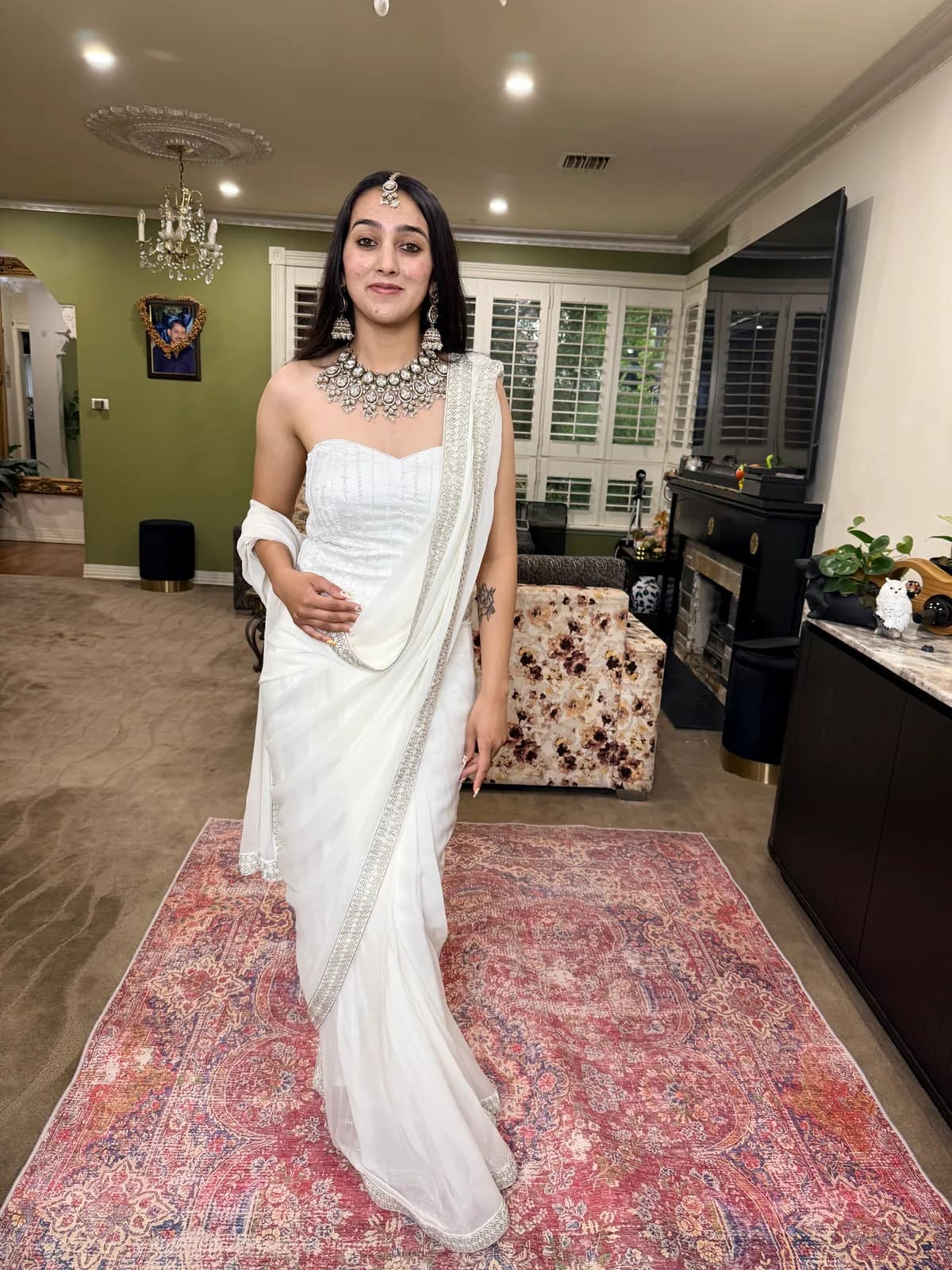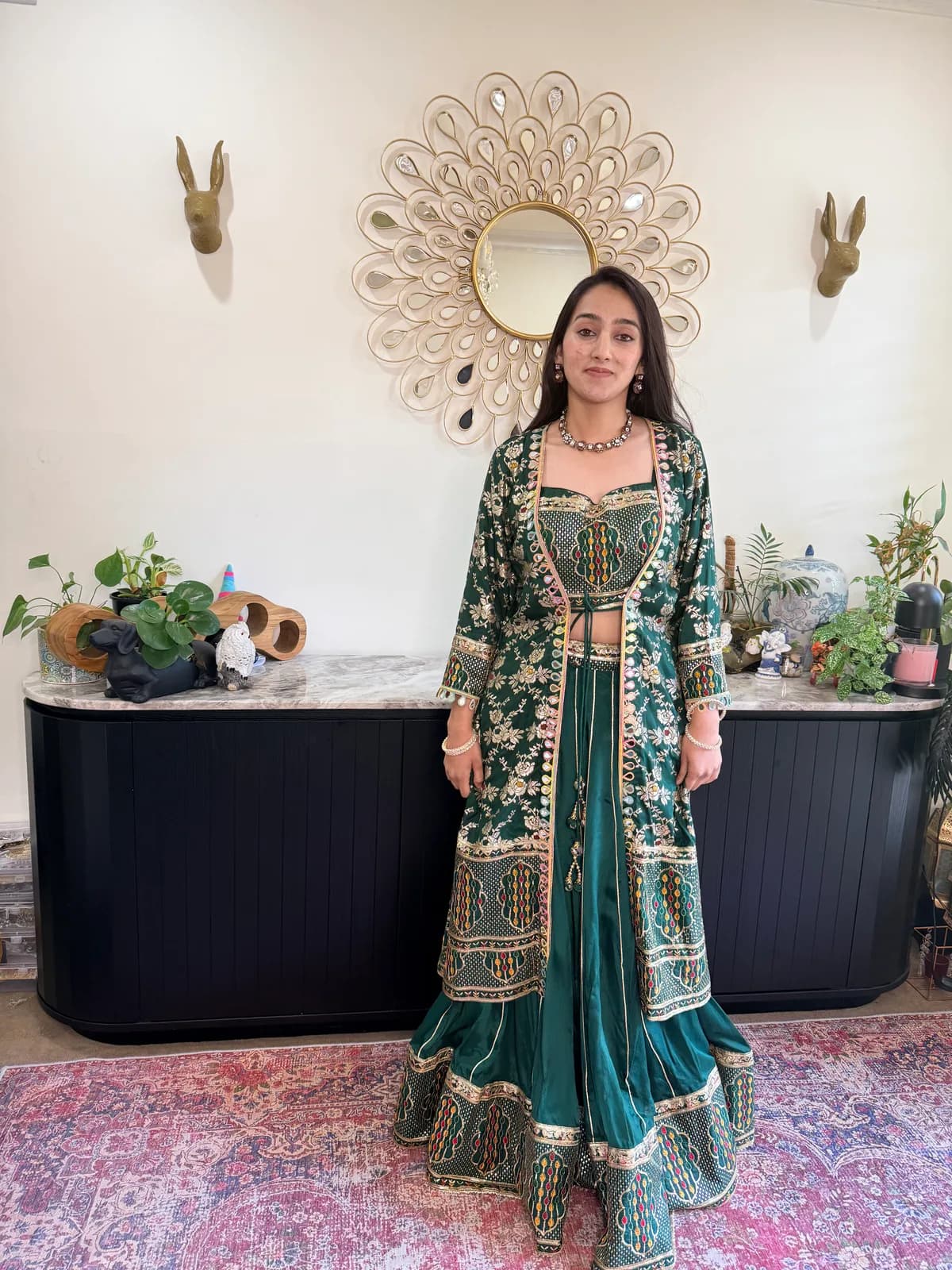
Colour at an Indian wedding attracts more guest anxiety than anything else, most of it directed at the wrong things. Several conventions that people still worry about have genuinely relaxed over the last two decades, particularly in the diaspora, and two that matter get almost no attention.
The one that still holds is red, or more precisely the specific red-and-gold register of bridalwear. A guest in full bridal red at a North Indian wedding is making a visible choice, and it is the one convention worth simply observing rather than interrogating. The same applies to whatever the bride has asked the wedding party to wear, which is a practical courtesy rather than a tradition.
The one that has largely gone is white. The idea that white is inappropriate at an Indian wedding comes from its association with mourning in parts of India, and in Australia it has faded to the point where an ivory or white saree or lehenga is unremarkable at a reception. If the family is observant or traditional it is worth a thought; at most diaspora weddings it is a non-issue.
Black has travelled the same way and further. It was once genuinely avoided; it is now one of the most common colours in the room at an evening reception. A black anarkali at a daytime ceremony still reads as a deliberate choice in some families, which is a reason to know your hosts rather than a reason to avoid it.